
As fires spreading across Turkey and the world increase daily, people are better appreciating nature's importance. We see that the more harshly we treat nature, the harsher its response becomes. Interest in hemp has also grown, but misinformation now creates the impression that hemp is the only way to save the world.
Misconceptions about hemp
Hemp is indeed valuable, but exaggerated reports and misinformation mislead people. We do not believe an undertaking that starts on the wrong footing can go well, and we think a plant as wonderful as hemp needs no exaggeration. We will therefore examine the misinformation circulating about it.
Hemp reaches five meters in five months, while a tree takes 25 years to mature.
Misleading. Different hemp varieties reach different heights. Medical cannabis grows to one or two meters, while industrial hemp reaches five or six. However, hemp must be cut after four or five months and replanted, so comparison with a tree is inappropriate.
One decare of hemp produces as much oxygen as 25 decares of forest!
We could find no research supporting this. Comparing hemp and trees is misguided from the start. A tree may live for centuries after planting, whereas hemp must be harvested after five months and is planted twice a year. Trees are more productive in terms of oxygen production.
Hemp absorbs radiation.
False! No research shows living hemp plants absorb radiation. Studies do exist showing radiation resistance in hemp stalks and fibers. The living plant does not absorb radiation, but hemp-fiber products are more radiation-resistant.
The same claim was previously invented about cacti, and many people still believe it.
Hemp grows anywhere. It loves wherever you plant it.
Absolutely false! Hemp is a strong plant that can survive in any geography, but survival does not mean productivity! Soil must be analyzed carefully before planting. Mineral content, pH, regional climate and temperature are very important. Hemp planted without these analyses will not be productive, particularly for medical purposes.
Hemp needs no water or fertilizer.
Absolutely false! This is probably the most absurd claim about hemp online. Hemp actually needs plenty of water and, like every plant, needs nutrients. No living organism can grow without food and water!
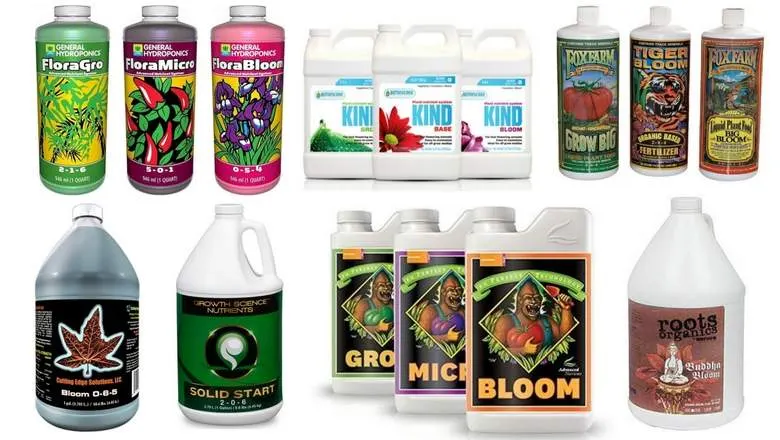
There are fertilizer manufacturers specializing solely in cannabis, and this is a very large industry.
Hemp rehabilitates soil poisoned by fire.
The article argues that fires do not poison soil and can, instead, make it fertile. It describes burned forests regenerating more productively because ash benefits the soil, and refers to the agricultural practice of deliberately burning stubble to increase fertility.
It also states that there is no research or evidence showing hemp “rehabilitates” soil, noting that what rehabilitation means here is unclear.
Hemp protects itself from insects and needs no pesticides.
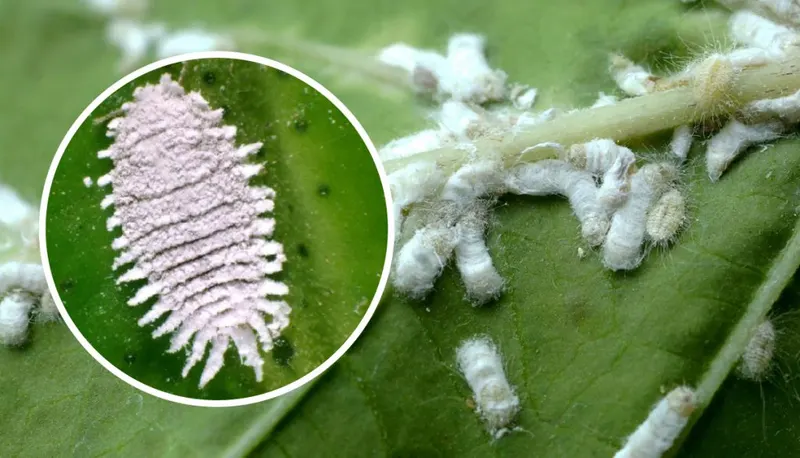
False! Many viruses, insects and fungi harm hemp. If it is not grown properly, these pests will affect it.
If hemp textiles become widespread, the pesticide industry could disappear entirely.
False! We have no words for this! Why would making textiles from hemp prevent, for example, insects from infesting tomatoes? We cannot see the connection.
Animals fed hemp do not need hormone supplements.
Animals in nature do not need hormone supplements anyway. Those supplements serve the needs of an industrialized, increasingly ruthless food industry. They have nothing to do with hemp.
Global powers banned hemp because of its many benefits.
This is Turkey's favorite conspiracy theory. We previously explained why cannabis was banned in detail. Reading that article shows that the US government of the time sought prohibition for political interests and subjected cannabis to a terrible propaganda campaign. With support from a few businesspeople who stood to benefit, the campaign achieved its aim. But there was no global movement or secret mastermind behind it.
Finally...
Hemp cultivation was never banned in Turkey! Many find this surprising, but a little research instead of relying on hearsay would show it. Cultivation was always permitted, but agricultural policies made it unprofitable, so farmers did not choose it.
Unfortunately, as with everything else, an uninformed, populist perception is being created around hemp. Exaggerations and false claims do nothing useful and mislead farmers while the real problems are ignored.


