
Pregnancy and CBD oil
Because of CBD's numerous therapeutic benefits, many people use CBD oil and related products to seek relief from insomnia, pain, depression, anxiety or nausea. Research has suggested that nonpsychoactive CBD could potentially support almost any health problem and help maintain quality of daily life.
Pregnancy brings unpleasant effects such as morning sickness, severe nausea and persistent back pain. As promising as CBD may seem, it may not be safe during pregnancy. Research is insufficient, so caution is best.
The FDA recommends avoiding CBD during pregnancy and breastfeeding. According to the FDA, which was still collecting data on specific risks during pregnancy, CBD's effects on a developing fetus were unknown. We know THC can enter a developing baby's brain, so there is reason to believe CBD could too.
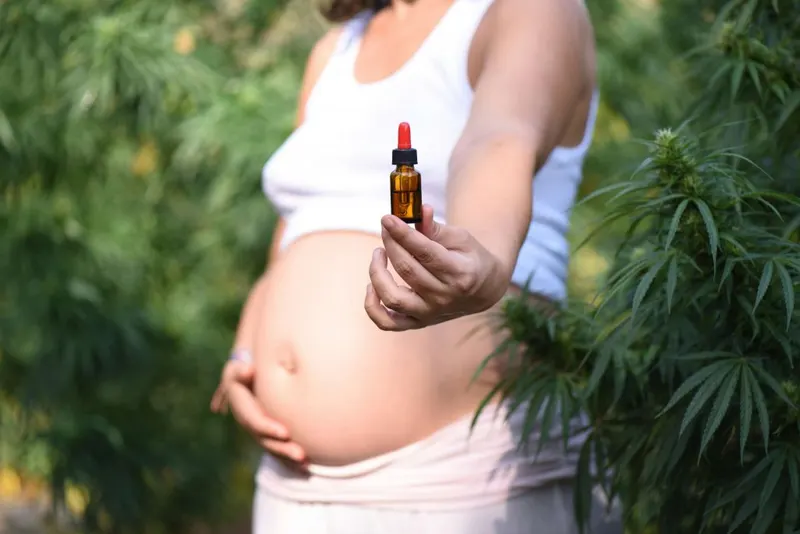
Why are pregnant women so interested in CBD, and how safe is its use during pregnancy?
Although its pregnancy effects have not been adequately researched, CBD's potential to reduce many pregnancy-related symptoms has attracted more pregnant women than ever. Promoted as a natural treatment for nausea, pain, anxiety and insomnia, CBD is increasingly used during pregnancy.
The most recent research discussed here was published in Clinical Epigenetics in early 2021. University of Minnesota researchers examined long-term effects on mouse offspring associated with maternal oral CBD use during pregnancy and nursing.
Christopher Faulk, an assistant professor of animal science and functional genomics, said: “The initial findings suggest women using CBD during pregnancy and nursing should be cautious. Compounds such as CBD and THC easily cross the placenta and occur in breast milk. Adult animals exposed to CBD in the womb and early life showed lasting changes in cognitive and emotional behavior, even after long periods without CBD exposure.”
Faulk and project leader Nicole Wanner found increased anxiety but also improved memory performance in adult female offspring; males were unaffected.
Using the example of a comma changing a sentence's meaning, Faulk explained that gene regulators called epigenetic marks help direct “when, where and how much” our genes act without changing the underlying DNA sequence after early CBD exposure. He said: “We found substantial changes in these epigenetic marks in brains of mice exposed to CBD during development, especially in genes controlling brain cell growth and communication. The brain continues maturing into young adulthood and may therefore be more vulnerable.”
Why does this matter? Genes affected by CBD exposure in the womb play roles in brain development, particularly in conditions such as autism, epilepsy and substance use disorder.
There is no need for immediate panic, however. The exposure discussed in this research means daily, high doses throughout pregnancy and nursing. The original article describes the mouse dosage as roughly comparable to a 150-kilogram adult taking a full dropper (1 ml) of highly concentrated CBD solution orally twice daily. Faulk said occasional CBD doses are different and that evidence was insufficient to state definitively that ordinary doses during pregnancy harm humans. He also said topically applied CBD products, such as lotions, creams and ointments, enter the bloodstream minimally or not at all because of the compound's chemical structure.
The main concern here is the development of vulnerable young brains. The article also emphasized that the study did not identify a related negative effect of CBD use in ordinary adults.
Older animal studies yielded potential findings concerning miscarriage risk, potential reproductive harm and worsening pregnancy-related adverse effects. However, directly applying animal findings to humans is not always appropriate.
What if you used CBD before realizing you were pregnant?
If you regularly use CBD or tried it before a positive pregnancy test, do not panic. According to fertility specialist Dr. Marco Mouanness at New York City's Rejuvenating Fertility Center, stopping CBD as soon as you learn you are pregnant eliminates potential risks.
Because we do not know enough about CBD's effects on pregnancy and fetal development, we must rely on what we know about THC, another popular cannabis compound. Animal research shows a connection between THC and early miscarriage. Nevertheless, remember that no human study had established that THC causes miscarriage in women.
What should you consider if you want to use CBD while pregnant?
Talk to your doctor
If considering CBD oil during pregnancy, the first step is speaking with your doctor. Although doctors do not all agree about CBD, they can advise based on your individual situation and pregnancy symptoms.
Research CBD brands
CBD and related products form a growing market that is not yet clearly regulated. You may unknowingly buy something entirely different from the advertised product. You certainly do not want heavy metals, pesticides or organic solvents that might harm your unborn baby. Choosing companies with transparent ingredients, published user reviews and third-party testing is the safest approach.
Click to read “How to spot fake CBD oil.”
Use only CBD isolate products
People researching CBD oil for the first time may become confused by different spectrum options. Briefly, full spectrum oils contain all hemp phytochemicals, whereas CBD isolate contains CBD alone. Full spectrum oils ordinarily recommended may contain harmful compounds that could interact with a growing fetus.
Click to read “Full spectrum CBD, broad spectrum CBD and CBD isolate.”
Start with a small dose and monitor it
Although there is no established correct CBD dose and individual requirements vary, starting with small doses is best. Beginning at a minimum, increasing slowly and tracking doses would be sensible.
Click to read “How should CBD oil be used, and at what dose?”
We wish you good health.


