
One of the questions we receive most often is how to use CBD oil and how much to take. How is CBD oil used? What should we consider? Can taking too much be harmful? We have tried to answer these questions below.
The short answer: There is no “correct” CBD dose. The right dose depends on factors including the user's body type, CBD tolerance, and level of pain or discomfort. The type and CBD concentration of the product also matter. It is best for users to determine their most suitable dose through experience.
Numerous studies have found CBD to be very safe and to have healing properties for our bodies. Studies show there is no universal dose everyone should take. In addition, because CBD is not yet regulated by the Food and Drug Administration (FDA) and there is no officially recommended dosage, it can be difficult to know how much CBD to take.
Studies in humans and animals have highlighted that CBD produces different responses in the body at different doses. Most human studies have used daily doses of 20 to 1,500 milligrams.
What is CBD?

CBD is a cannabis-derived compound that can communicate with the endocannabinoid system, found in all mammals, including humans.
By interacting with our endocannabinoid system, CBD helps regulate problems involving mood, sleep, appetite and pain.
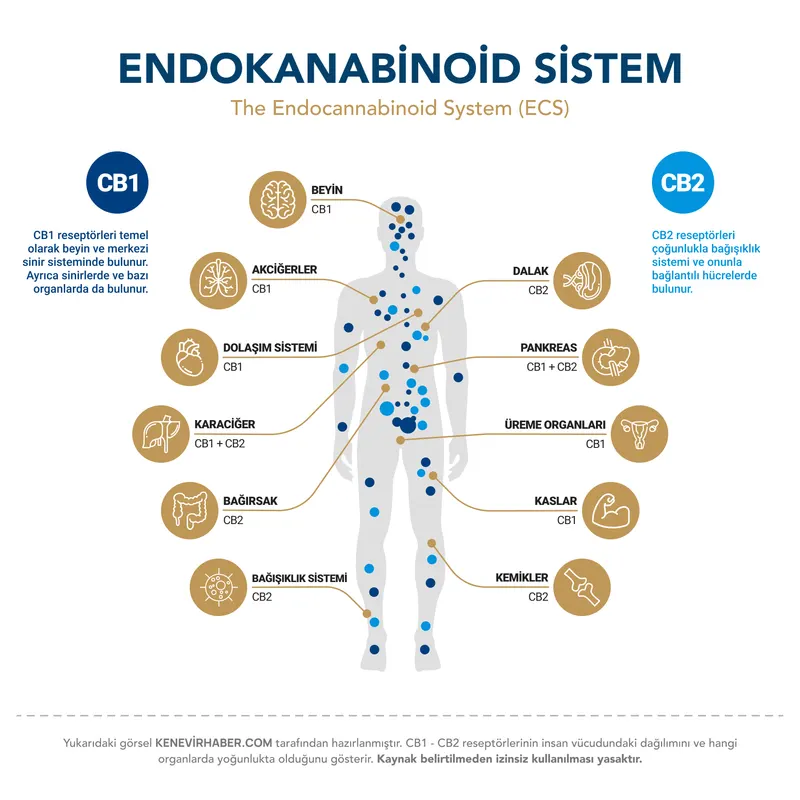
According to research, CBD is effective in treating many diseases and conditions:
- Epilepsy
- Anxiety disorders
- Insomnia
- Alzheimer's disease
- Parkinson's disease
- MS
- Huntington's disease
- Chronic pain
- Psychological conditions
- Depression
- Cancer
- Nausea
- Migraine
- Asthma
- Infectious diseases
- Rheumatism
- Arthritis
- Irritable bowel and Crohn's disease
- Cardiovascular conditions
- Diabetes
Because CBD comes from cannabis, people may approach it with prejudice. That prejudice is misplaced. THC is the cannabis component that produces psychoactive effects, or a “high.” Because CBD products contain no THC or very little, there is no need to be afraid.
Remember that CBD's long-term effects are still being researched. Some researchers have found that it temporarily lowers blood pressure and causes diarrhea on first use, but most experts consider it safe. If you are trying a CBD product for the first time, always consult your doctor.
Factors that determine dosage
The amount of CBD you need depends on several factors, including:
- Body weight
- The condition being treated
- Individual tolerance
- The CBD concentration in each capsule, drop or product
Body weight: A person's weight is usually the most important factor determining how strongly CBD will affect them. Generally, heavier people need higher doses to experience its calming effects, while lighter people may feel the same effects at a lower dose.
The condition being treated: For many people, the ideal dose depends on their health problem. Someone with chronic pain or severe anxiety may need a higher dose to ease symptoms, while someone with milder discomfort may prefer a lower dose with less pronounced effects.
Individual tolerance: CBD users may develop tolerance over time, meaning the same dose produces less effect. To achieve the desired result, users may increase the dose or extend the interval between uses, taking the other factors into account.
Concentration: Concentration or strength refers to the amount of CBD in a product. Each product states its CBD content as a percentage (%). Pay attention to this before use.
In other words, several variables affect how much CBD you should take. Before trying CBD, be sure to discuss a suitable dose and possible risks with your doctor and follow their advice. Your dose is particularly important if you are taking a prescription CBD medicine such as Epidiolex.
If you have no doctor to consult or your doctor offers no recommendation, it is best to start with a small dose and increase it gradually. This could mean starting with 20 to 40 milligrams daily. After a week, increase the amount by 5 mg and continue until you feel it is effectively treating your symptoms.
For example, you might start with 40 milligrams to treat severe pain. If the effect is insufficient, you could increase to 45 milligrams after a week or 50 milligrams after a second week. At this stage, it may be wise to record how much CBD you take and whether your symptoms improve.
Some products, such as CBD gummies, capsules or pills, state how much compound is in a single serving. For example, a bottle of CBD capsules might say each capsule contains 5 mg of CBD.
CBD oil will probably come in a dropper bottle. The packaging may indicate how much CBD is in a single drop, allowing you to calculate how many drops to use.
Sometimes packaging states the CBD amount in the entire bottle, making the amount per drop difficult to determine. One drop is approximately 0.05 milliliters. A 10 mL bottle therefore contains 200 drops. If that bottle's packaging says it contains 1,000 milligrams (10%) CBD, each drop contains approximately 5 milligrams. To take a 20-milligram CBD dose from this bottle, four drops would be enough.
Determining a suitable dose
The table below will help you adjust a starting dose based on body weight and desired effect. As mentioned, these are approximate values. You can find the most suitable amount through experience. Remember to consult your doctor if you are using CBD for the first time.
| Body weight | Mild effect | Moderate effect | Strong effect |
|---|---|---|---|
| Light (less than 60 kg) | Up to 11 mg | 12–14 mg | 15–17 mg |
| Medium (60–100 kg) | Up to 18 mg | 19–23 mg | 24–27 mg |
| Heavy (more than 100 kg) | Up to 23 mg | 24–30 mg | 31–45 mg |
These values are daily amounts.
Higher doses than those listed may suit some CBD consumers better. CBD is not toxic or a synthetic chemical. Gradually increasing the CBD dose causes no known side effects, so raising the dose is generally safe. Users can determine their most suitable level through controlled increases.
Can you overdose?
We mentioned that CBD is not a synthetic chemical. Like anything, taking too much may cause minor, non-harmful side effects, but according to a recently published report by the National Cancer Institute, overdosing on CBD is almost impossible.
A 2011 study of “CBD safety and side effects” found that continuous CBD use was well tolerated in humans, even at high doses such as 1,500 mg daily. Another study in 2017 confirmed this research.
However, a 2019 study of “CBD interactions with other medicines and potential liver damage” raised some safety concerns. If you take medicines regularly or are undergoing drug treatment, consulting your doctor before using CBD is very important.
We have tried to explain important details about using CBD oil. However, all CBD oils and manufacturers should not be treated as equivalent. Many low- and high-quality products are sold, and people use them without sufficient knowledge. Even if this causes no harm, it may prevent you from benefiting from a product. Always ask how the CBD oil you are buying was produced and what it contains. If you are using it for the first time, do not buy it without consulting your doctor.


