
Full spectrum CBD – broad spectrum CBD – CBD isolate
When shopping for CBD oil, you encounter products labeled full spectrum, broad spectrum or CBD isolate. Although these terms look similar, they differ substantially. What are the differences?
Briefly, they describe the type of CBD used in a product. Each involves important considerations, and understanding them matters for every user.
This article explains the differences and each type's advantages and disadvantages.
What are cannabinoids, and why do they matter?
The cannabis plant contains a class of compounds called cannabinoids.
Scientists have discovered over 100 naturally occurring cannabinoids across cannabis varieties, including CBD and THC.
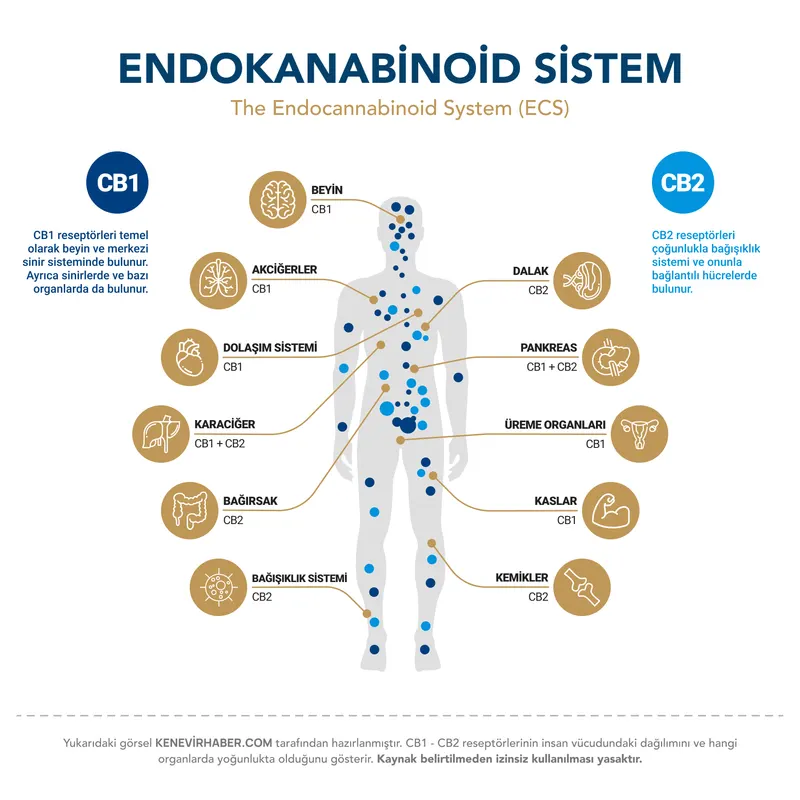
In 1995, researchers discovered that cannabinoids such as CBD could interact with receptors in the human endocannabinoid system (ECS), offering distinctive health benefits. They later learned that each cannabinoid could affect the body differently.
Together with the varying effects of compounds such as cannabigerol (CBG) and cannabinol (CBN), this complete collection forms the “cannabinoid spectrum.”
Exploring the cannabinoid spectrum
As you may have gathered, the spectrum in a product determines whether it is full spectrum, broad spectrum or CBD isolate.

To make a CBD product, cannabinoids are extracted using methods such as CO2 extraction. Other compounds, including terpenes, flavonoids and other cannabinoids, are extracted too. Composition and cannabinoid profiles vary with the plant variety and extraction method.
Depending on the final product's purpose, companies choose the cannabis variety best suited to their needs. After extraction, they may refine the extract to retain only selected cannabinoids.
The refined extract's contents determine its classification as full spectrum, broad spectrum or isolate.

What is CBD isolate?
Scientifically, an isolate is a compound's purest form, produced by separating it from its surroundings and all other compounds.
CBD isolate is therefore the purest CBD form, produced by removing all other plant compounds, including terpenes, flavonoids, plant matter and other cannabinoids.
What is full spectrum CBD?
Full spectrum CBD is an extract containing all compounds naturally present in the plant, including terpenes, essential oils and other cannabinoids. They work together to amplify each cannabinoid's therapeutic benefits, commonly called the “entourage effect.”
Isolated CBD was once believed more effective than full spectrum CBD. In 2005, however, a study from Jerusalem's Lautenberg Center for General and Tumor Immunology challenged that theory.
Researchers found greater relief in subjects receiving full spectrum CBD than those receiving isolate. Results also suggested increased effects at higher full spectrum doses, with effects remaining consistent as dosage rose.
What is broad spectrum CBD?
Broad spectrum CBD sits between full spectrum and isolate. Like full spectrum, it retains other plant compounds; like isolate, it has THC entirely removed.
Because it contains multiple cannabinoids, broad spectrum CBD may provide enhanced entourage benefits without the risk of THC's psychoactive effects.
Which CBD type should you use?
Now that you understand the types, you may wonder why one is preferred over another.
First, no type is inherently better than the others.
Everyone has different needs, determining which type best suits individual circumstances. The original article refers readers to tables below for each type's advantages and disadvantages.


