
For more than 5,000 years, some of the world's most advanced civilizations, including the Romans and ancient Chinese, used industrial hemp to produce extremely strong fibers and durable fabrics. Unfortunately, over the past century, far less sustainable fibers such as cotton and wool replaced industrial hemp. This very useful plant was also misunderstood because of the poor public image of its genetic cousin, high-THC cannabis.
Hemp fabric could be very important in creating a more comfortable and sustainable world.
What is hemp fabric?
Hemp fabric is made using fibers from the stalks of the Cannabis Sativa L. plant. Hemp stalks have two layers: an outer layer of rope-like fibers and an inner woody pith. The outer layer is used in textiles, while the inner layer is used in many products, including fuel and building materials.
Once separated from the stalk, the fibers are processed into yarn. Hemp fibers are so strong that they were once the preferred material for sailcloth and rope. After processing, hemp fabric has a texture similar to cotton. Because hemp fibers are long and strong, the resulting fabric is sufficiently soft and durable. Hemp fabric is three times more durable than cotton fabric.
It is also lightweight. Because it is breathable, it is ideal for warm climates. Hemp fabric resists mold and harmful bacteria.
How is hemp fabric made?
Most plants used for hemp fabric are harvested with specialized machinery and left to ret in the field for four to six weeks. This makes it easier to remove pectin, the glue-like substance binding the outer and inner layers.
Hemp stalks are then gathered like straw bales, and specialized breakers separate the fiber-containing outer layer from the woody core. The separated bast fibers are combed into individual strands and cleaned. After steam explosion processing, hemp is ready to be spun into yarn and woven into textiles.
Where is hemp fabric used?
The primary use of hemp fabric is in clothing. Common garments include dresses, skirts, trousers, jackets, T-shirts and children's clothes. Hemp is especially popular for T-shirts because it resists wear and tear. Most cotton T-shirts begin to warp, shrink or fall apart after a certain number of washes. Hemp T-shirts retain their shape and integrity for years.
Home textiles made from hemp are very popular among people interested in natural living. Its use in tablecloths, upholstery and various towels is becoming more widespread. Hemp fabric is particularly preferred for towels because of its absorbency and durability. Although not as soft as high-thread-count cotton, hemp sheets have also reached the market. Its extraordinary durability is also an excellent feature for blankets and quilts.
Footwear is another application. Shoes made from hemp fabric, especially popular in recent years, are environmentally friendly, durable and highly breathable, supporting foot health.
Alongside fabrics made entirely from hemp, blends with other textiles are common. Hemp blended with cotton or silk, for example, increases durability while making the textile softer.
Hemp fabric production worldwide
China is the world's largest industrial hemp producer. More than 6,000,000 decares were cultivated in 2018 alone. However, weak labor laws and inadequate environmental regulations leave the environmental sustainability and toxicity of Chinese hemp uncertain. Only a small share is set aside for textiles; most is used for fuel, paper or other industrial products.
France is the second-largest industrial hemp producer. Austria, Chile and the United Kingdom also rank highly in production intensity. More than 30 countries produce industrial hemp worldwide, and production in the United States is growing.
The cost of producing hemp fabric
Producing hemp fabric is no more expensive than producing cotton fabric. However, several market factors raise its cost. Cotton, for example, is produced on a much larger scale, making its cost per unit of volume considerably lower. Because hemp fabric is currently a market novelty, retailers also charge unreasonably inflated prices.
Ironically, producing hemp fiber is actually simpler, more efficient and more logical than producing cotton. These factors suggest hemp fabric should cost less than cotton. When industrial hemp cultivation laws become more reasonable and consistent and hemp is accepted as an alternative to cotton, this irrational price discrepancy will probably end.
The environmental effects of hemp and hemp fabric
Hemp prefers humid, temperate climates. It grows very quickly and provides a high fiber yield per unit of land.
The source article gives two figures for its advantage over cotton on the same area of land: 250% more fiber and 600% more fiber. Hemp does not exhaust the soil, allowing subsequent cultivation. Its strong roots extend deep into the soil and protect against landslides. Hemp is also considered a carbon-negative raw material, meaning it absorbs more carbon than it produces. Its production uses no pesticides and requires no herbicides.
Studies have demonstrated the environmental sustainability of hemp fabric, which people have used for thousands of years. Researchers have noted that producing hemp fabric requires less land than cotton and releases far fewer toxic substances into the ecosystem. Hemp can even draw toxic substances out of the ecosystem.
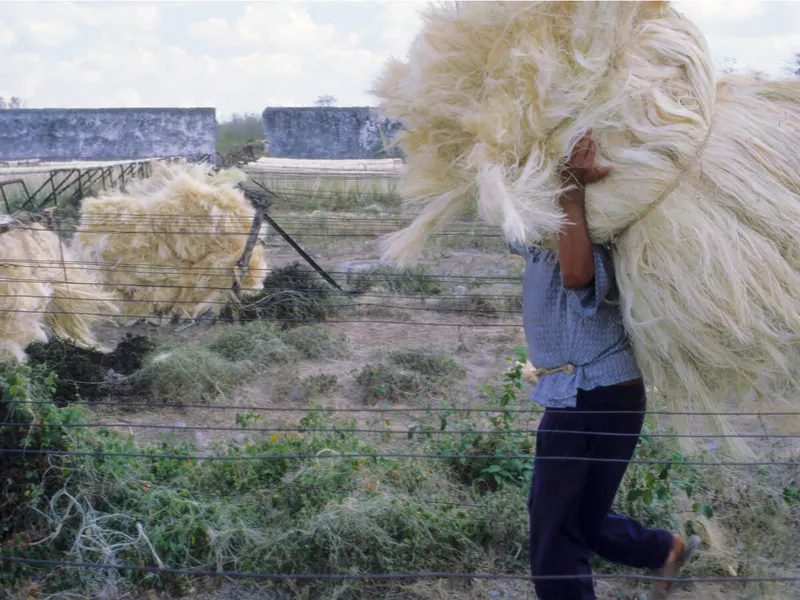
Hemp fiber ready for processing
Misconceptions about hemp fabric
There is a widespread perception that hemp fabric wrinkles quickly like linen and is stiff compared with cotton fabric. This is not correct. Its quality varies greatly with cultivation and processing techniques.
Fiber length is very important. High-quality, durable hemp fabric is made from long fibers. Because hemp fabric has memory, it is more prone to wrinkling, but good-quality fabric made with long fibers wrinkles at a rate close to cotton. Because short fibers are currently used throughout the industry, the result is poor-quality, less durable fabric. This has created the perception that hemp fabric is impractical.
Why is hemp fabric on the market often poor quality?
Chinese products have created a misleading market perception of hemp fabric. Cheap, poor-quality fabric containing harmful substances from China has negatively affected interest.
The situation in Europe is not very different. Following industrial hemp legalization, Europe moved in another direction. Producers preferred low-value industrial products such as construction materials, straw and stuffing. Because plants grown with this approach have short fibers, the resulting textiles were poor quality and stiff.
If we want high-quality hemp fabric, the plants must be grown and processed accordingly.
The history of hemp fiber
Hemp fiber is a much older textile material than cotton. It occupies an important place in both Turkish and world history.
Hemp fiber was particularly important in the Ottoman Empire. Known locally as “kendir,” hemp was mainly grown in the Black Sea region. Much of the rope and cordage needed by the Ottoman navy was made from hemp.
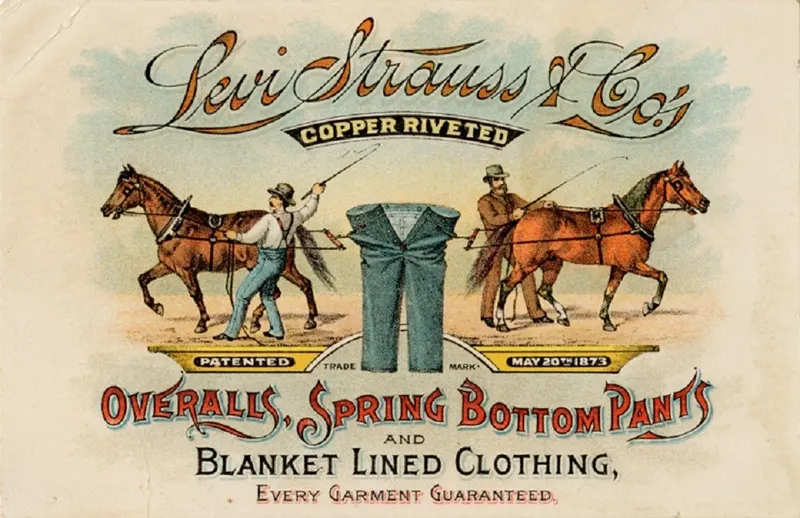
The trousers in this logo are made from hemp and represent the durability of hemp fabric.
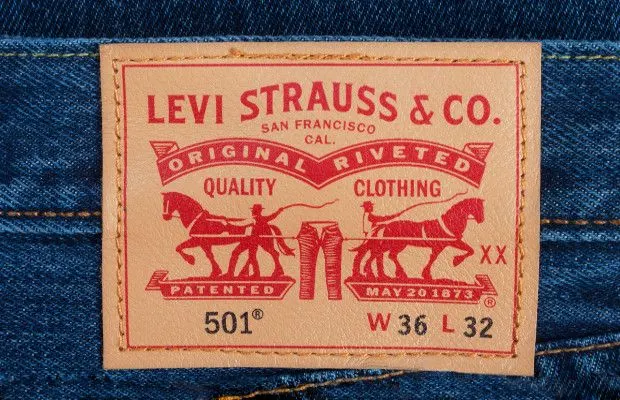
You can still see this logo on Levi's labels.
We recommend our detailed article on this topic: Hemp in the Ottoman period
You may have heard the phrase “the first jeans were made from hemp.” Yes, the first jeans were made from hemp. Levi's had such confidence in hemp thread that its old logo showed two horses pulling hemp trousers in opposite directions without tearing them. Although this logo was later changed, it continues to appear on product labels.
The advantages of hemp fabric
- It is much more durable and stronger than other textile fibers.
- Its porous structure makes it breathable.
- Its fiber structure keeps you cool in summer and warm in winter.
- Hemp fibers have high heat resistance.
- It resists fading and filters UV rays from the sun.
- Its hypoallergenic nature makes it suitable for sensitive skin.
- It takes dye well and has a natural luster.
Hemp fabric in Turkey
Central Asia is considered hemp's homeland, and hemp is known to have been cultivated in Anatolia around 1500 BCE. Although conditions in many Turkish regions allow high-yield cultivation, Turkey has yet to make use of this opportunity.
Industrial hemp cultivation has continued in Turkey for around 30 years. However, a lack of demand and investment brought it close to disappearing over time.
Recent growing interest is positive for the sector, but misinformation makes it difficult for investors to focus on their goals. Because the facilities needed to turn hemp from a field crop into fabric require substantial investment, investors and producers may prefer established systems such as cotton.
Unfortunately, at the time of this article, Turkey had no hemp processing facility, although work was continuing. Hemp fabric could therefore only be produced by hand through small businesses. We hope the state can intervene to support enthusiastic producers.


