
From night owls to stressed parents, many people struggle with insomnia. With 30–35% of US adults showing symptoms, experts describe it as an epidemic.
Medical research suggests CBD may help with insomnia. How?
What is CBD?
CBD (cannabidiol), like THC, is one of many cannabis cannabinoids.
A major difference is that CBD lacks THC-like psychoactive effects. This has made it the most widely used cannabinoid in health care.
How does CBD work?
CBD can be used in various ways, including ingestion, subcutaneous administration and inhalation.
Once consumed, it interacts with the body's endocannabinoid system (ECS). Receptors in this system interact with cannabinoids such as CBD.
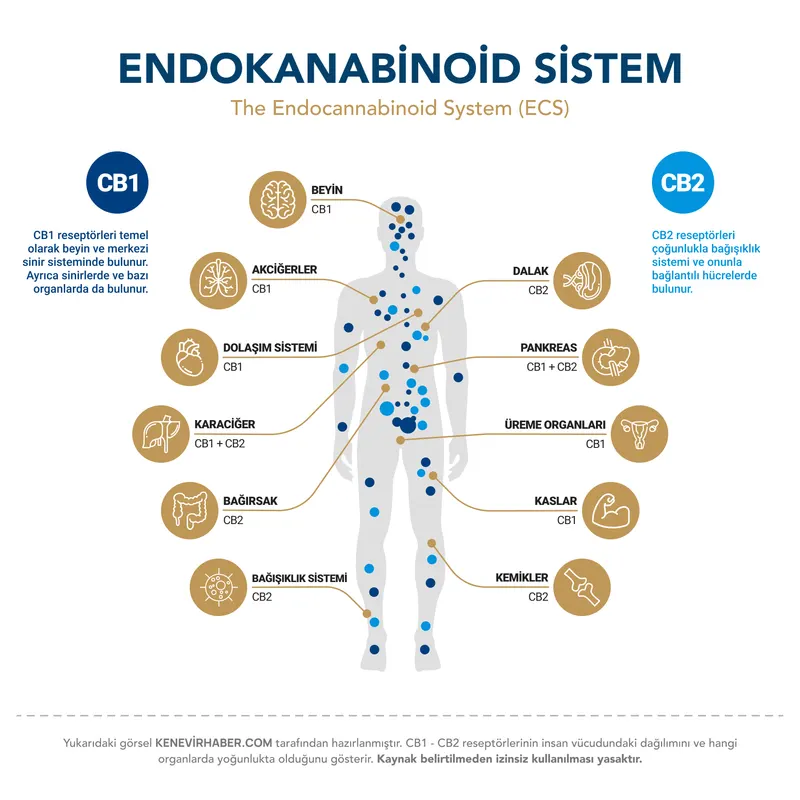
This relationship allows relief for dozens of conditions, including stress, anxiety and insomnia.
How does CBD improve sleep disorders?
Insomnia has the same underlying cause as cancer, high blood pressure and many other diseases:
Stress…
Technology, work, health and economic circumstances have pushed human stress levels to an all-time high.
Occasional stress causes headaches and mood swings, while prolonged stress contributes to serious conditions including cancer, hypertension, anxiety disorders and depression.
How does CBD reduce stress?

Suppose someone angers you in traffic. You can let it go and continue, or get out and fight. The latter will undoubtedly raise stress.
Many factors shape a response, but responding is a psychological process occurring in the brain.
Without technical detail, brain activity is a series of energy signals continuously transmitted to run the body. Some tell an arm to move; others respond to a situation considered stressful.
A healthy brain can manage responses to stress. An imbalanced or stressed brain may not perform this function properly.
If stress management malfunctions, a person may perceive a low-risk situation, such as walking upstairs, as highly dangerous and react excessively and negatively, becoming afraid of climbing stairs.
When unable to manage stress, people naturally seek coping methods. They often turn to medication, drinking, partying or all three. These may offer temporary relief but worsen outcomes over time.
CBD offers a different approach.
Most ECS receptors are concentrated in the brain and central nervous system.
Research suggests CBD interaction with these receptors improves cognition and allows more effective responses to stressful situations.
While increasing this capacity, CBD also helps relieve existing stress and has a preventive effect against future stressful situations.
By regulating stress balance, CBD may help address insomnia at its roots.


