
Did you know your body has a network of receptors that interact specifically with cannabinoids such as CBD and THC?
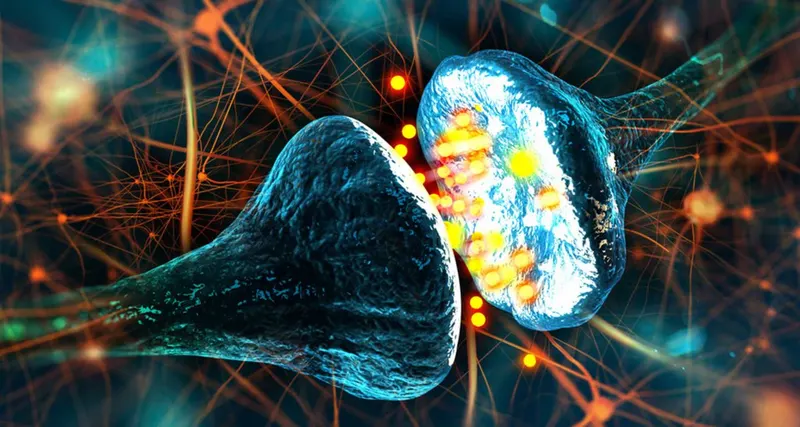
The network through which cell receptors communicate with cannabinoids is called the endocannabinoid system (ECS). As countries debate cannabis laws, scientists continue discovering this system's secrets.
To understand how CBD works and its benefits, we need to understand the endocannabinoid system.
History of the endocannabinoid system
The first cannabinoid receptor was found in a mouse's brain in 1988.
Read our article on the history of CBD here.
Researchers found that these receptors interacted with THC, found only in cannabis. More surprisingly, they were concentrated in areas responsible for mental and physiological processes such as memory, consciousness and emotion.
Five years later, in 1993, a second cannabinoid receptor was discovered. It was found to be distributed throughout the immune system and tissues.
Scientists realized they were onto something significant.
Just two years later, in 1995, researchers discovered that the two receptors now known as CB1 and CB2 were present not only in rats but in thousands of species, including humans.
As technology advanced, researchers could further analyze the relationship between the body's cannabinoids, called endocannabinoids, and cannabis cannabinoids such as CBD and THC, called phytocannabinoids.
They found a previously unknown signaling system connecting phytocannabinoids and endocannabinoids. They named it the endocannabinoid system, or ECS.
Although its exact workings remain incompletely understood, specialists saw that our bodies were equipped to interact with cannabinoids.
CBD and the endocannabinoid system
Now that we have a general understanding of the ECS, let us look at how it benefits the body and interacts with cannabinoids such as CBD.
The purpose of endocannabinoids
Since the endocannabinoid system's discovery in the late 1990s, researchers have learned more about the synergistic relationship between phytocannabinoids and endocannabinoids.
They found that endocannabinoids participate in countless bodily functions and that these functions help maintain the body.
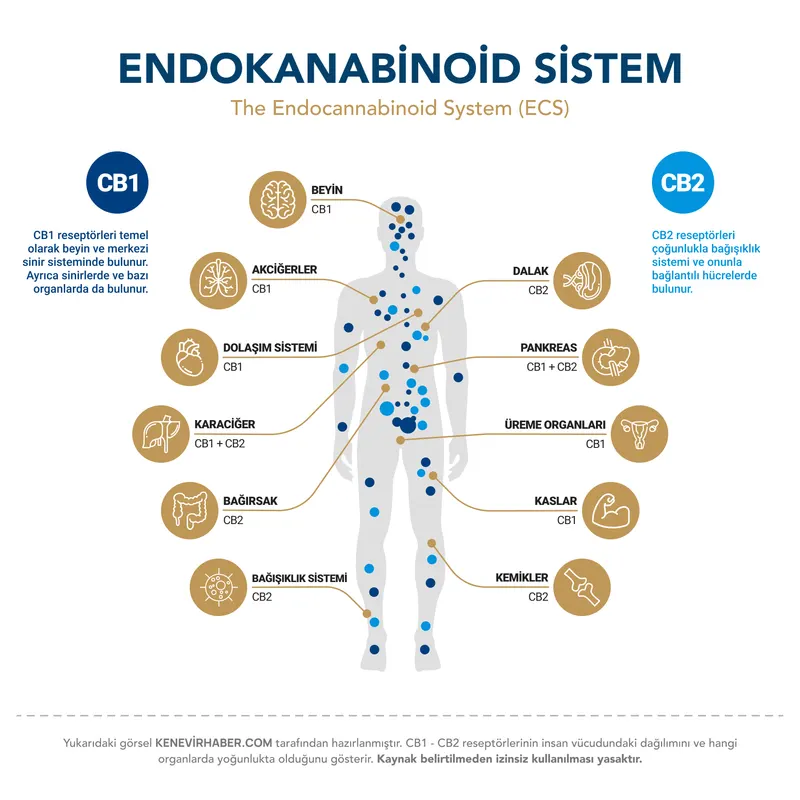
Imagine the body as a machine, with each part working together to keep it moving. The immune system is like a filtration system, the brain like a motherboard, and endocannabinoids help maintain these systems.
Why do we need phytocannabinoids?
As in any machine, parts and systems in the body can break down or malfunction. This can affect the whole body and cause various health problems.
Endocannabinoids are designed to help maintain health. As their levels fall, so does the level of protection, potentially leading to bigger health problems over time.
This is where phytocannabinoids come in.
How does CBD work?
Research found that when CBD interacts with CB1 or CB2 receptors, it changes or enhances their capabilities, increasing their function and effect.

If the body has a cannabinoid deficiency, CBD administration may also help restore balance. Research suggests cannabinoids are a limited resource and deficiencies may result in headaches, irritability and other health issues.
Essentially, supplemental CBD supports our endocannabinoid system.
Through interaction with the body's CB1 and CB2 receptors, CBD helps maintain vital health functions and restore balance. This is the source of its many health benefits.
CBD's potential benefits
In a healthy body, everything is balanced as it should be. In an unhealthy body, something is excessive or insufficient, disturbing that balance.
Consider the following conditions arising from imbalance and how CBD may help by restoring it:
When imbalance-related health conditions arise, CBD helps reestablish balance. It can have positive effects in conditions resulting from bodily imbalance.
-
Stress and anxiety generally result from responses to risky, dangerous or unwanted situations. An imbalance of hormones in the brain raises cortisol and makes you feel stressed. CBD combats stress by regulating responses to stress signals and maintaining cortisol levels.
-
Inflammation causes swelling in part of the body and is often very painful. Depending on severity, it is associated with conditions such as arthritis, bacterial infections and autoimmune disease. CBD combats inflammation by suppressing inflammatory responses and pathways, stimulating regulatory cell production and managing pain perception.
-
Epileptic seizures result from irregular electrical activity in the brain, causing violent bodily shaking. CBD has demonstrated substantial seizure reductions in patients with Dravet syndrome and Lennox–Gastaut syndrome, severe forms of epilepsy. It reduces seizures by slowing excitatory nerve activity and suppressing the brain's reaction to intensified signals that cause overload.
Note: This is not medical advice! Please do not use CBD or related products without consulting your doctor first!
Thank you, endocannabinoid system
These are just a few examples of CBD's health benefits.
Compounds such as CBD and THC and the ECS do not exist without reason. Human anatomy's direct connection with cannabis seems like a gift humanity has yet to fully understand.


