
After decades of cannabis prohibition, many people may think CBD's healing benefits are a recent discovery. That is far from the truth!
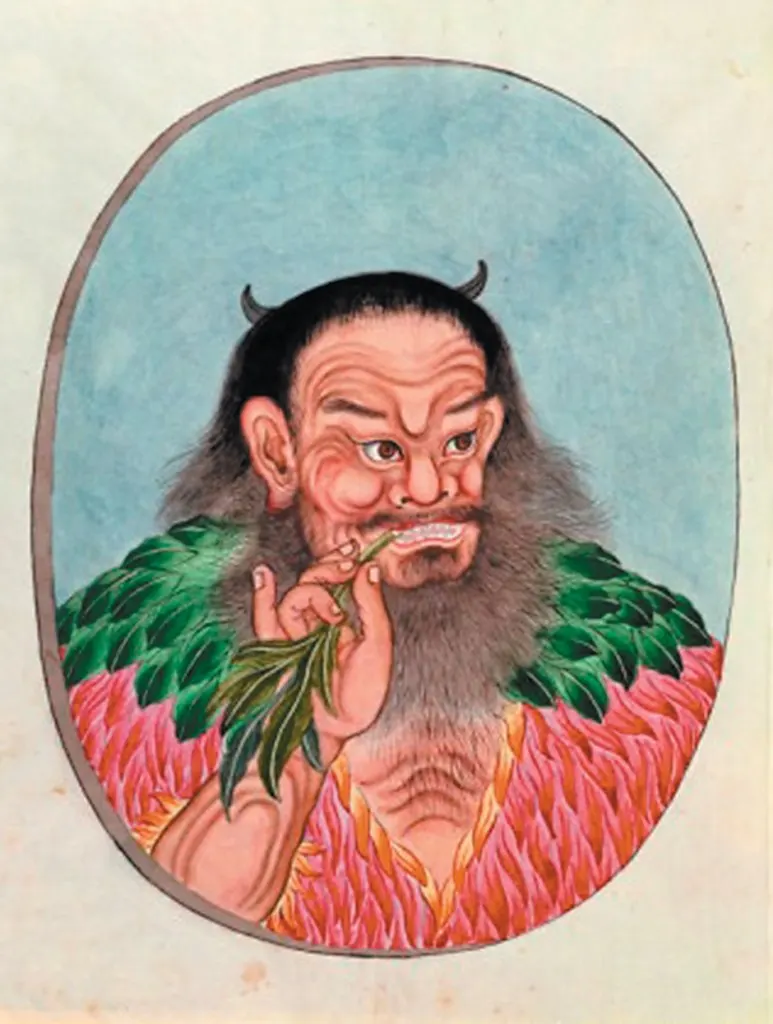
Shen Nung
The first documented use of cannabis-derived medicine dates to 2737 BCE, when Chinese Emperor Sheng Neng used cannabis-infused tea for conditions including memory problems, malaria, rheumatism and gout.
Queen Victoria of Great Britain is believed to have used CBD for menstrual cramps during her reign, which ended in 1901.
Throughout history, cannabis served as a valuable healing resource. During the development of modern medicine, however, many in the medical world did not recognize it because scientific evidence was insufficient.
Researchers began considering medical cannabis applications after Irish physician and medical researcher William B. O'Shaughnessy published a study of its healing effects in 1839. In this then-controversial work, he explored cannabis's effects and described potential medical applications in detail, especially anesthesia. Although he did not realize it, he opened a door to discovering compounds that would one day be called cannabinoids.
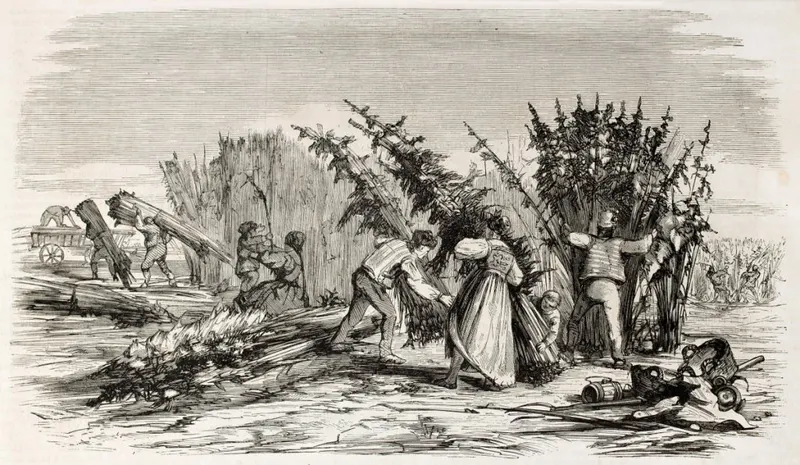
The discovery of cannabinoids
Almost a century after O'Shaughnessy's work, advances in research and technology revealed compounds within the cannabis plant.
The first individual cannabinoid discovery came when British chemist Robert S. Cahn reported the partial structure of cannabinol (CBN), fully identified later in 1940.
Two years later, American chemist Roger Adams made history by successfully isolating cannabidiol (CBD), the first cannabinoid. His research also paved the way for discovering tetrahydrocannabinol (THC).
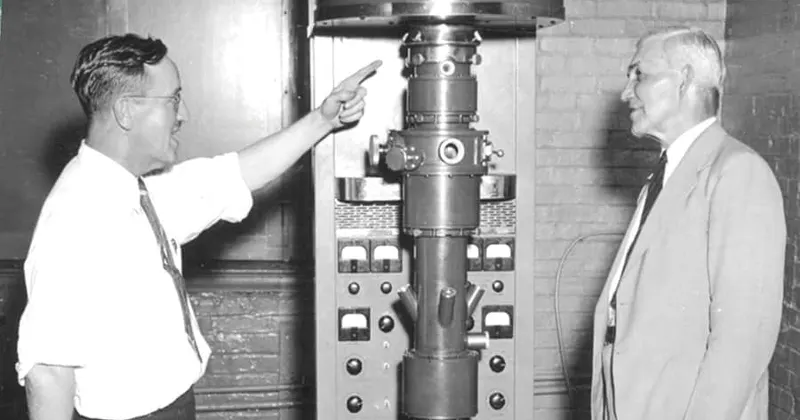
Roger Adams was the first scientist to isolate CBD and identify THC.
Early cannabinoid pharmacology research
In early cannabis research, scientists had limited knowledge of cannabinoid structures and only a partial understanding of the plant's biological composition. They could not determine exactly which compounds produced which effects.
Dr. Raphael Mechoulam made his first breakthrough toward understanding individual cannabinoids in 1963 by successfully identifying CBD's stereochemistry.
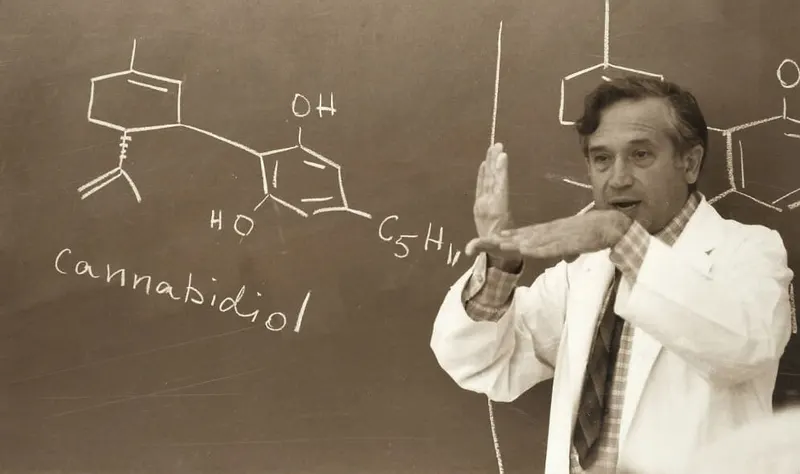
Dr. Raphael Mechoulam, “a pioneer of cannabis research”
A year later, Mechoulam identified THC's stereochemistry, establishing its direct relationship with the euphoric effects of cannabis and distinguishing CBD as a compound without mind-altering effects.
As research progressed, an important victory came in New Mexico with the “1978 Controlled Substances Therapeutic Research Act,” legislation legally recognizing cannabis's medical value.
In the 1980s, Mechoulam and his team studied CBD's potential in epilepsy treatment. They gave a group of eight people 300 mg CBD daily. After only four months, half stopped having seizures and the other half experienced reduced seizure frequency. This major breakthrough could potentially change the lives of more than 50 million people with epilepsy worldwide. Unfortunately, negative campaigns and stigma around cannabis prevented it from creating a public breakthrough at the time.
Less than a decade later came another striking breakthrough: the endocannabinoid system, a complex network within the body working through cannabinoid receptor interactions.
As research advanced, interest exploded in the United States.
CBD's rise in the United States
In 1996, California became the first state to legalize medical cannabis by passing Proposition 215. Within a few years, Oregon, Alaska and Washington (1998), Maine (1999), and Hawaii, Nevada and Colorado (2000) followed.
Legalization gave patients in these states lawful access to cannabis, while researchers focused on medical cannabinoid applications. This led to investigations of CBD's potential for chronic pain, epilepsy and numerous neurodegenerative diseases.
Although negative campaigns were diminishing, public confusion was inevitable because the laws were debated in a very gray area. Scientists increasingly understood the distinction between CBD and other cannabinoids, but misconceptions remained among the wider public, including those capable of influencing the laws.
Surveys between 1998 and 2002 indicated that two in three Americans opposed cannabis legalization. One major factor was terminology associating cannabis with recreational drug use, leading people to believe the plant was dangerous, addictive and harmful.
Given the country's position, changing beliefs, educating the public and passing CBD-specific laws appeared likely to take 25–40 years.
But intriguing developments began in the 2000s. People started sharing personal experiences.
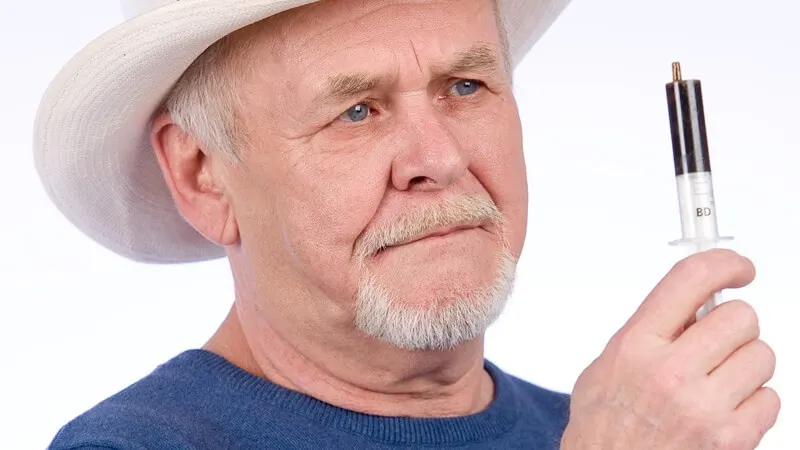
Accounts from Rick Simpson, who offered relief to countless people with a rare skin cancer, and distinctive, moving stories from CBD users highlighted possible relief for anxiety, depression, insomnia, arthritis, fibromyalgia and more. Their authentic nature and willingness to share personal, vulnerable experiences to help others created a nationwide wave of awareness.
Then, in 2010, a powerful life story about CBD's health benefits ignited a movement that would change the world forever.
Charlotte Figi's remarkable story
Charlotte Figi, a young girl living in Colorado, was born in 2006 with a very rare chronic epilepsy called Dravet syndrome. Her parents realized conventional doctors could not help her. Despite their hesitation, Charlotte began medical cannabis treatment at age five.
Read Charlotte Figi's full remarkable story here!
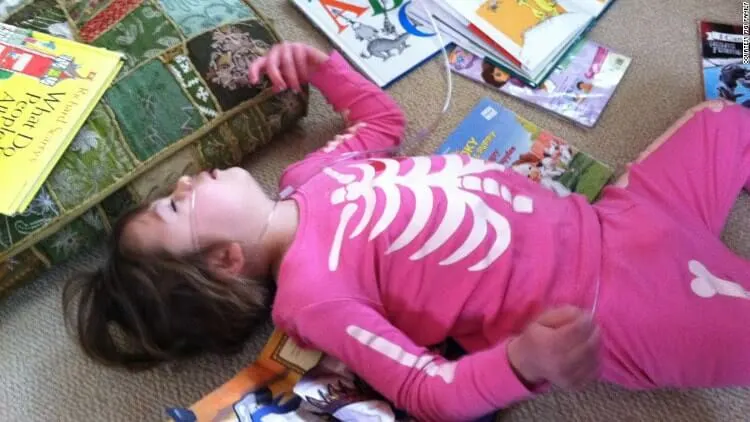
Charlotte Figi, a patient with Dravet syndrome | Source: CNN
CBD's position at publication
In the years since Charlotte's story, American attitudes against CBD and cannabis changed dramatically.
People who once opposed cannabis now turn to CBD for relief, and its healing properties help change lives across the country. We stand at the threshold of a major movement that continues developing, exceeding expectations and achieving what seemed impossible.
CBD's future
Although perceptions and knowledge of CBD have improved dramatically, it is not yet fully normalized worldwide. Many people still oppose CBD and other cannabis-derived compounds and remain unaware of their benefits.
More work is needed for CBD to reach its full potential and change as many lives as possible. Although challenges lie ahead, the strength of the CBD community suggests nothing will stop this growing awareness.


