
Cerebral palsy and cannabis have long been researched. The subject returned to public attention through Bir Başkadır, written and directed by Berkun Oya and released on Netflix on November 12. Although Oya addressed cerebral palsy specifically, he also brought medical cannabis back into discussion through a popular series.
First, I would like to say the series is wonderful from beginning to end! Beyond being an artistic masterpiece, its attention to medical cannabis is particularly welcome.
Bir Başkadır and cannabis

In one episode, Gülbin gives her brother, who has cerebral palsy, a medicine made from cannabis to reduce his seizures. Although it works, her older sister reacts strongly and a major argument follows. Without discussing the plot in detail, this scene neatly captures society's attitude toward cannabis. We may examine these issues in another article.
What is cerebral palsy?
Cerebral palsy (CP) is a permanent loss of motor function restricting movement, with posture and movement disorders caused by lesions or damage to the developing brain in the womb or first months of life. It is nonprogressive but may change with age. Secondary medical problems may include epilepsy, intellectual disability, behavioral disorders, swallowing difficulties and musculoskeletal problems.[1]
Prevalence varies by population but is reported as one to five per 1,000 live births. Diagnosis uses history, physical examination and supportive laboratory tests. Risk factors vary widely, particularly prematurity, anoxia, difficult delivery and low birth weight. The source account describes improvements in neonatal care shifting emphasis toward prenatal causes, while inadequate neonatal care in developing countries leaves birth complications and newborn problems more common.
CP is actually a collection of coexisting disorders and symptoms. Alongside movement and posture disorders, problems may include epilepsy, intellectual disability, speech and hearing impairment, skeletal deformities, swallowing and feeding difficulties, and oral and dental problems.
Source: Wikipedia
The connection between cerebral palsy and the endocannabinoid system
A complete cure for CP is not currently possible, but conventional treatments include physiotherapy, speech therapy, medication and surgery.
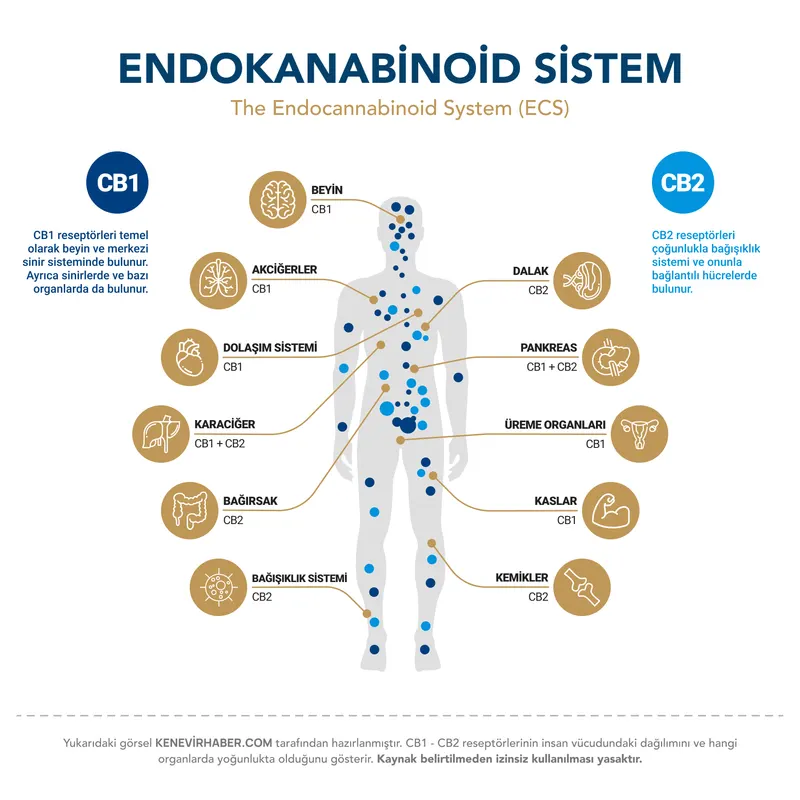
Recent research discussed in this article suggests CBD is very effective at reducing CP symptoms. The endocannabinoid system, responsible for many bodily functions, also has a substantial role here. CBD oil helps reduce symptoms such as spasticity, chronic joint and muscle pain, and seizures.
One CP symptom is a speech disorder caused by poor muscle control. Patients may stutter so severely they cannot communicate, worsening quality of life. CBD oil has been found very effective in this situation.
Patients also experience depression, anxiety and sleep disorders. Many studies have demonstrated CBD oil's effectiveness for these problems.
Luba Blumkin's research
In 2017, Luba Blumkin conducted one of the most detailed studies of CBD's effects on complex motor disorders with the help of cannabis producer Tikun Olam. Nineteen of 25 examined patients had CP. The original article also describes the research, conducted by Wolfson Medical Center near Tel Aviv, as analyzing CBD's effects on 36 children aged 1–17 with CP.
After monitoring the children for two months to establish stable conditions, the team administered CBD oil orally or through a feeding tube three times daily.
Their conditions visibly improved within four months. Blumkin said the largest positive change concerned motor function. Other benefits included less pain and improved quality of life and sleep.
All participants continued existing medicines alongside the oil. One group received oil with a THC:CBD ratio of 1:6 and another 1:20. The research suggested both were effective.
The Wolfson study was particularly important because little data previously existed on CBD and CP. A survey by Adam Hirsh and colleagues, published in the March 2012 American Journal of Physical Medicine and Rehabilitation, found CBD offered CP patients the best relief compared with several other medicines.


