
CBD oil and related products, a rising wellness trend, have become essential choices for many people where sales are legal. Consumer products range from oils, body creams and lip balms to sweets and even fabrics containing CBD.
CBD has already entered the alcoholic drinks industry. Some restaurants now list CBD-infused drinks on their menus. What happens when this new ingredient in our favorite drinks is mixed with alcohol? Most importantly, is the combination actually safe? This article examines the effects of mixing CBD and alcohol.
CBD may offer protection against alcohol's side effects
Although we have much to learn about CBD's medical value and potential effects, a basic way to understand it is to examine its interaction with the body through the endocannabinoid system. CBD works by interacting with various receptor pathways, including cannabinoid receptors CB1 and CB2.
Click for detailed information on the endocannabinoid system.
Alcohol is known to reduce anxiety and promote relaxation. Research shows CBD can also reduce anxiety and calm the nerves. Taking them together may amplify these effects and potentially cause drowsiness and sedation.
CBD may prevent cell damage and disease
Excessive alcohol consumption damages cells, increases inflammation risk and can trigger chronic conditions such as pancreatitis, liver disease and certain cancers.
Animal studies have observed CBD protecting against alcohol-related cell damage. For example, a rat study found that applying CBD gel to the skin reduced brain cell damage caused by excessive alcohol consumption by up to 49%. Another study concluded that CBD injected into mice helped protect against alcohol-induced fatty liver disease by increasing autophagy, a process involving cell and tissue renewal. However, more studies are needed to know whether CBD prevents alcohol-related cell damage in humans.
CBD may lower blood alcohol levels
Blood alcohol concentration, or BAC, measures the amount of alcohol in the blood. A higher BAC is generally associated with greater loss of motor control and cognitive function.
In a study conducted in early 1979 and published in Psychopharmacology, ten volunteers were randomly given a CBD capsule and alcohol, a CBD capsule and orange juice, placebo with orange juice, or alcohol alone. Participants receiving CBD and alcohol had lower blood alcohol levels than those receiving only alcohol.
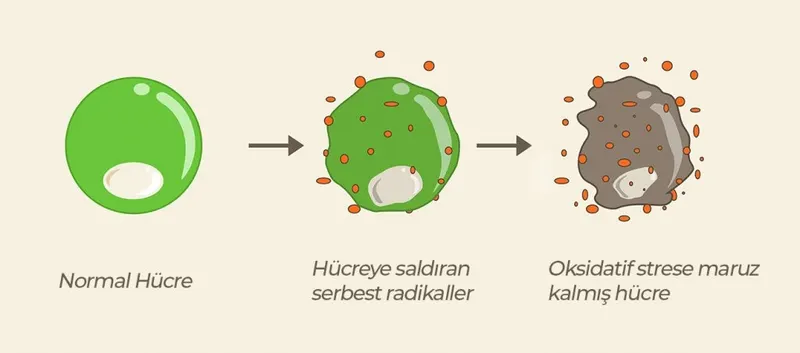
Another study in 2014 found significantly less oxidative stress, a biochemical process that ages cells, in the livers of rodents given CBD 30 minutes before alcohol than in those given alcohol alone.
CBD may affect blood alcohol levels without reducing the outward effects of drinking. Together, they may cause greater sedation or drowsiness.
Click for more on CBD's antioxidant properties.
CBD may be therapeutic for alcohol dependence
Some researchers believe CBD could aid alcohol dependence treatment. Animal studies have found it effective in reducing various addiction and withdrawal symptoms. In particular, a recent study found that CBD helped reduce alcohol intake, prevent relapse and lower motivation to drink in alcohol-dependent rats.
More studies and testing are needed to establish whether CBD can help treat alcohol dependence in humans. However, a different study found that 24 smokers reduced their cigarette consumption by 40% after using a CBD inhaler for a week. These results suggest potential for reducing addictive behavior.
In conclusion…
Various human and animal studies suggest CBD may reduce some alcohol side effects. But because its effects differ between individuals, the effects of mixing it with alcohol will not be the same for everyone.
For example, the CB2 receptor has at least seven genetic mutations that can change an individual's response to CBD. One person's response to a CBD–alcohol combination may therefore differ substantially from another's.
If you choose alcoholic drinks containing CBD, the article recommends consuming small quantities to minimize possible adverse effects. Enjoy, and stay healthy.


