
Neurotransmitters play an important role in the brain by helping neurons send and receive messages. Imbalances can contribute to neurological conditions such as Parkinson's disease. CBD (cannabidiol) may interact with these neurotransmitters and their receptors to ease anxiety, protect neurons from damage and restore neurotransmitter balance.
What is a neurotransmitter?
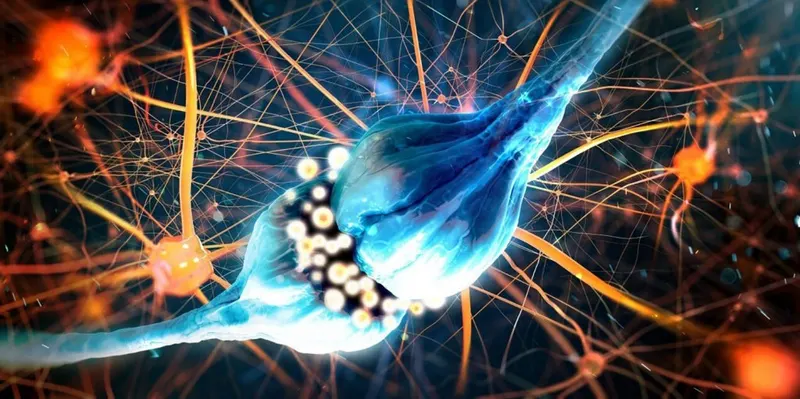
Messages pass from one nerve cell to another through chemical messengers called neurotransmitters. The brain sends signals through neurons that carry messages to the appropriate parts of the body. However, gaps called synapses lie between neurons.
After nerve cells send an electrical impulse called an axonal action potential, neurotransmitters are released to relay the message from the axon to the neuron or stop its transmission.
* An axon is the long, cylindrical part of a neuron that carries electrical signals.
Once neurotransmitters finish their work, enzymes break them down or neurons absorb them.
CBD and neurotransmitters
Various neurological disorders, including Parkinson's and Alzheimer's, have been linked to dysfunction of specific neurotransmitters.
Scientific research, meanwhile, suggests CBD helps normalize neurotransmitter levels and offers therapeutic benefits for such conditions.
Below are specific neurotransmitters that interact with CBD.
Anandamide
Anandamide is an endocannabinoid that binds to cannabinoid receptors in the body. The Sanskrit word “ananda” means happiness and joy, reflecting its known mood-enhancing effects. Anandamide also regulates memory and promotes neurogenesis. A deficiency, however, may cause some anxiety disorders.
According to research by scientists at Vanderbilt University School of Medicine, anandamide deficiency may cause stress-related anxiety.
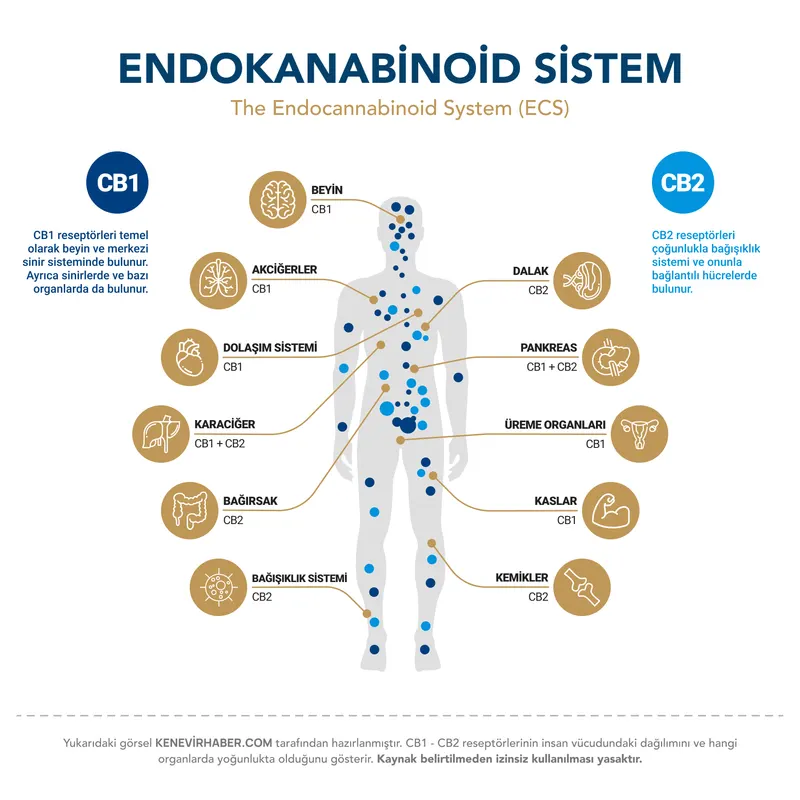
Anandamide activates CB1 receptors in the endocannabinoid system (ECS). CB1 receptors are abundant in the brain and nervous system, where they regulate mood and memory.
CBD can raise anandamide levels by inhibiting its breakdown enzyme, fatty acid amide hydrolase (FAAH). This makes anandamide's effects last longer. Among these effects are easing anxiety, improving mood and potentially disrupting fear memories.
CBD's interaction with anandamide may also help treat acne. Anandamide synthesizes lipids, fat molecules, in the skin, potentially leading to sebum production. Sebum is an oily substance in the skin. When sebocytes, the cells producing it, make too much, they contribute to acne. CBD prevents anandamide from synthesizing lipids, making it a possible option for tackling acne.
2-Arachidonoyl glycerol (2-AG)
2-AG is another endocannabinoid neurotransmitter. It primarily activates CB2 receptors in the endocannabinoid system. These receptors are abundant in the immune system, so 2-AG helps modulate immune function.
It may also have analgesic and neuroprotective properties. Deficiencies of 2-AG and anandamide may contribute to migraine and IBS. As with anandamide, CBD appears to increase 2-AG levels by inhibiting its enzyme.
Glutamate
Glutamate is one of the most important and abundant neurotransmitters. An excitatory neurotransmitter, it helps neurons send messages. Research suggests it assists brain functions such as memory regulation. It is also found in foods and may help protect the intestines.
However, excess glutamate is toxic to neurons and has been observed to contribute significantly to neurological conditions such as epilepsy, multiple sclerosis, Alzheimer's, neuropathic pain and migraine. Oxidation can lead to glutamate overproduction.
Because CBD is a good antioxidant, it may help prevent excessive glutamate production. CBD has also been shown to normalize glutamate by activating CB2 and 5-HT1A serotonin receptors.
Dopamine
Dopamine is part of the brain's reward system. Its functions include regulating movement and emotional responses. Dopamine deficiency is a major cause of Parkinson's, which actively destroys dopamine-producing neurons in the brain. This leads to its characteristic tremors and slowed movement.
CBD may reverse dopamine deficiency and protect neurons from damage.
Serotonin
Serotonin plays a role in mood, social behavior and cognitive function. Research points to serotonin deficiency as a source of some anxiety disorders and possibly depression.
Antidepressants and antianxiety medicines, often selective serotonin reuptake inhibitors (SSRIs), help ease depression and anxiety by promoting serotonin levels in the brain.
CBD works similarly to an SSRI by targeting serotonin receptors, but activates them directly. Activating these receptors improves mood and produces anxiolytic, or antianxiety, effects by easing anxious feelings.
Adenosine
Adenosine is an inhibitory neurotransmitter: it prevents excessive signaling by neurons, calming the mind. Because of this inhibitory action, it is believed to play a role in sleep.
Adenosine also helps regulate the cardiovascular system, and researchers believe it may have anticonvulsant properties against seizures and unwanted contractions.
CBD increases adenosine uptake and levels. This interaction may help regulate cardiovascular health by controlling circulation and preventing arrhythmia. CBD may also produce some of its anti-inflammatory benefits through adenosine signaling.
GABA
Like adenosine, GABA, gamma-aminobutyric acid, is an inhibitory neurotransmitter involved in sleep and anxiety. It helps reduce anxiety and is closely involved in fear memory and fear learning.
Research suggests CBD may activate GABA receptors to produce its antianxiety effects.
CBD's interaction with neurotransmitters offers hope
Neurotransmitters play important roles in brain-controlled functions such as sleep, anxiety, mood, emotions, memory and other cognitive processes. Deficiencies or overproduction of particular neurotransmitters can therefore cause serious health conditions.
Fortunately, research suggests that CBD interacts with neurotransmitters to improve balance. Maintaining neurotransmitter balance is an important function of a healthy brain, and CBD appears to be a possible option for supporting brain health.
Although research into CBD and neurotransmitters is still very young, the future in this field offers hope for everyone.


