
If you think cannabis's health benefits were discovered in our century, you are mistaken. Its medical use goes back a very long way.
Legal changes in the United States made cannabis harder to obtain, culminating in a complete ban through the Marihuana Tax Act in 1937. In Canada, prohibition would not be lifted until 85 years later.
Interestingly, although today's struggle for legalization feels like a major step to us, it remains a small one in the context of cannabis's 6,000-year history.
A 6,000-year history
An infographic published by Medreleaf sheds light on cannabis's past, helping us understand its use in ancient civilizations such as Rome, Egypt and China.
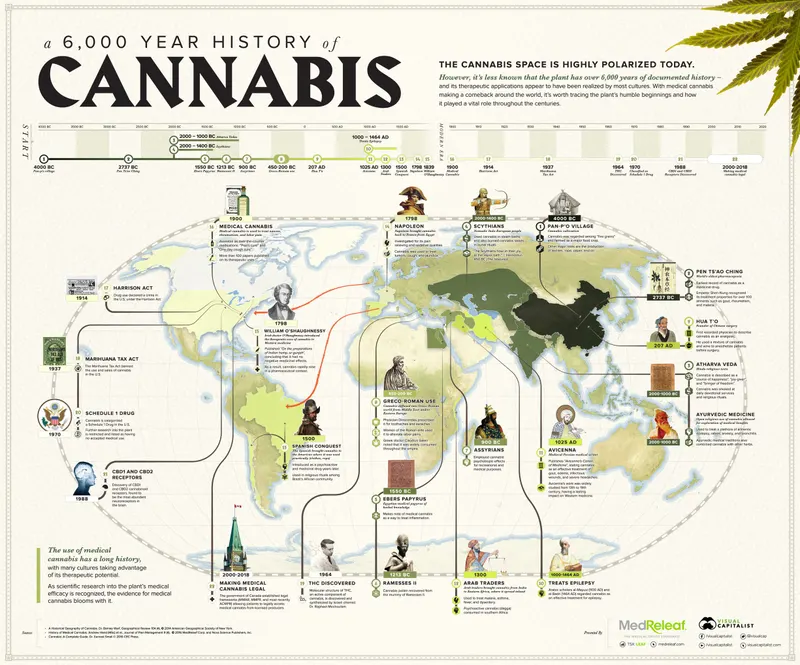
Click for the high-resolution version of the image
4000 BC: Pan-p'o village
Cannabis was used as an important food crop in China.
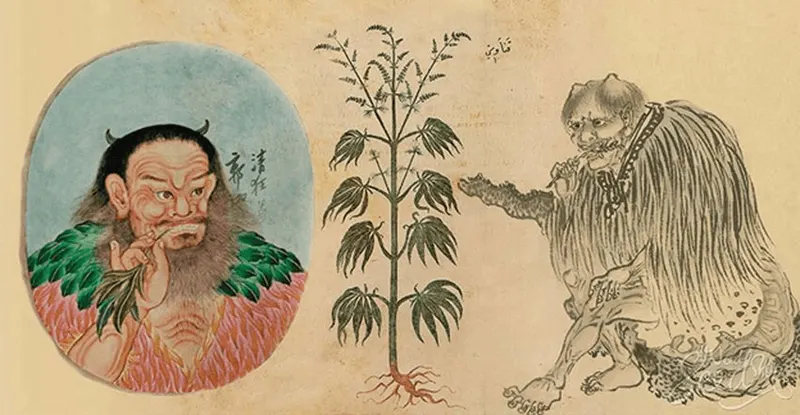
2737 BC: Pen Ts'ao Ching
The first recorded medical use of cannabis. Emperor Shen-Nung approved its use for many diseases, including gout, rheumatism and malaria.
2000–1400 BC: Scythians
Nomadic Indo-European peoples used cannabis in steam baths and burned cannabis seeds in burial rituals.
2000–1000 BC: Atharva Vedas
These Hindu religious texts described cannabis as a “source of happiness,” “giver of joy” and “bringer of freedom.” Cannabis was smoked in religious rituals during this period.
2000–1000 BC: Ayurvedic medicine
Cannabis's medical benefits were explored alongside religious use. It treated conditions such as epilepsy, rabies, anxiety and bronchitis.
1550 BC: Ebers Papyrus
According to this Egyptian papyrus, cannabis was used to treat inflammation.

1213 BC: Ramesses II
Cannabis pollen was found in the mummy of Egyptian pharaoh Ramesses II, embalmed after his death in 1213 BC.
900 BC: Assyrians
The Assyrians discovered cannabis's psychological effects and used it medically.
450–200 BC: Greco-Roman era
Physician Dioscorides prescribed cannabis for toothache and bleeding ears. Greek physician Claudius Galen noted widespread use throughout the empire. Elite Roman women used it to ease labor pains.
AD 207: Hua T'o
The first physician to describe cannabis as a painkiller. He used a cannabis-and-wine mixture to anesthetize patients before surgery.
1000: Epilepsy
Cannabis was first used to treat epilepsy.
1025: Avicenna
The medieval Persian medical writer Avicenna published The Canon of Medicine, describing cannabis as an effective treatment for gout, edema, infectious wounds and severe headaches. His works had a lasting influence on Western medicine from the 13th to the 19th century.
1300: Arab merchants
Arab merchants brought cannabis from India to East Africa. It was used to treat malaria, asthma, fever and dysentery.
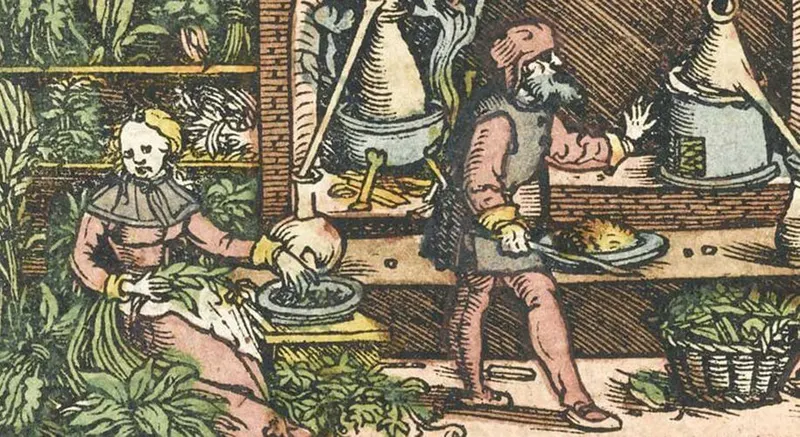
1500: Spanish explorers
The Spanish brought cannabis to the Americas for practical uses such as ropes and clothing. Years later, it would be used as a psychoactive and medical drug.
1798: Napoleon
Napoleon brought cannabis back from Egypt to France. Its pain-relieving and sedative effects were studied, and it was used for tumors, coughs and jaundice.
1839: William O'Shaughnessy
Irish physician William O'Shaughnessy became the first to use cannabis in Western medicine.
1900: Medical cannabis
Medical cannabis treated nausea, rheumatism and labor pains. Medicines such as “Piso's cure” and “One day cough cure” could be bought without a prescription.
1914: Harrison Act
Cannabis was criminalized in the United States under the Harrison Narcotics Tax Act of 1914.
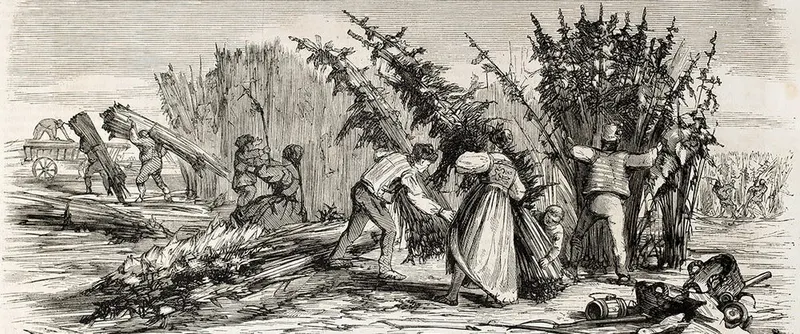
1937: Marihuana Tax Act
The act prohibited cannabis use and sale in the United States. American pressure on other countries brought about worldwide prohibition.
1964: Discovery of THC
Israeli chemist Dr. Raphael Mechoulam synthesized the molecular structure of THC, an active cannabis component.
1970: Schedule I drug
Cannabis was placed in the US Schedule I category, blocking further research. It was listed as having “no accepted medical use.”
1988: CBD receptors found
The CB1 and CB2 cannabinoid receptors, which interact with our endocannabinoid system, were discovered. Today we know they are abundant in the central nervous and immune systems.
2000–2018: Medical cannabis legalization
Many governments legalized medical cannabis use. Recreational legalization is following.


