
With growing news about legal cannabis, wellness markets have filled with hemp seed oil and other hemp products containing no CBD. Each cannabis compound may offer distinct benefits, but shopping for a product with a hemp plant on its label can be confusing.
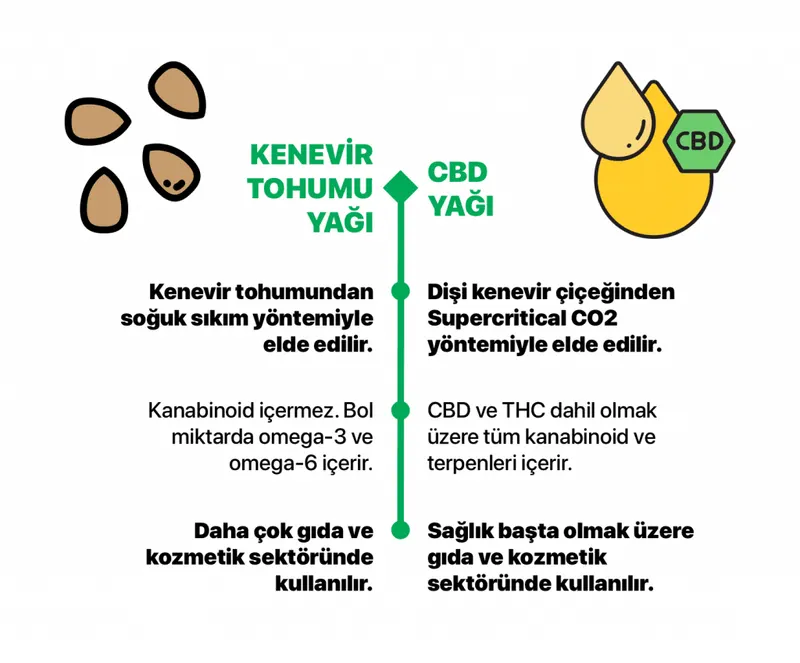
Hemp seed oil and hemp-derived CBD products are entirely different. Hemp seed oil is cold pressed from seeds, like canola, sunflower or olive oil. CBD oil comes from flower buds, resin and leaves, using CO2, ethanol or industrial solvents.
Because hemp seed oil is often incorrectly called simply “hemp oil,” consumers should check labels to ensure they have the right product. If you want CBD oil, hemp seed oil is not what you need.
Marketing tactics behind hemp products
Because CBD and hemp seed oils come from the same plant family, they are often marketed incorrectly, either mistakenly or deliberately to deceive consumers. First-time buyers' reluctance to pay more creates an opportunity for dishonest or uninformed producers.
Adding hemp seed oil and decorating a label with hemp leaves does not mean a product contains CBD. Wordplay in brand names can also target inattentive consumers and imply CBD content. Being informed matters both for the product you use and your finances.
How can you tell what you are buying? Simply check the ingredient list. Hemp seed oil is usually listed under its own name or as Cannabis sativa seed oil. CBD is generally listed as cannabidiol, full spectrum hemp, broad spectrum hemp or hemp isolate, with its concentration stated.
What are CBD and CBD oil, and how do they work?
Cannabidiol (CBD) is a popular natural supplement used for common complaints and daily quality of life. One of over 100 naturally occurring cannabinoids in cannabis, it lacks THC's psychoactive effects.
CBD becomes active through the endocannabinoid system, responsible for bodily balance. This system influences sleep, mood, pain, appetite, hormones and immune responses. It also helps produce natural cannabinoids in the body.
CBD oil is produced by extracting CBD using methods such as supercritical CO2 extraction or ethanol, then diluting it in carriers such as coconut or hemp seed oil. Full spectrum means that alongside CBD, the product contains other hemp cannabinoids, including CBG (cannabigerol), CBN (cannabinol) and tetrahydrocannabivarin.
According to a WHO report, CBD shows no dependence potential, and no public health problems associated with its use had been identified.
What is hemp seed oil, and what are its benefits?
Hemp seed oil is obtained by pressing seeds, preferably cold without high heat. Although it does not interact with endocannabinoid receptors like CBD, it can benefit a healthy diet. Hemp seeds contain 80% unsaturated fatty acids. The oil is rich in omega-3 (linolenic acid) and omega-6 (linoleic acid).
With its mild nutty taste, it can be used in marinades, sauces and as a replacement for vegetable oil. However, it should not be heated above 120°F to avoid losing beneficial properties. Dried hemp seeds can also be viewed as a superfood similar to flax and chia seeds, making an excellent addition to cereals, yogurt and desserts.
Like other plant extracts, hemp seed oil can be applied topically as a moisturizer to reduce dryness and rejuvenate skin.
A final word…
As explained, hemp seed oil is not CBD oil. Be careful of misleading advertising and marketing tactics so you can benefit appropriately from the product you use. We wish you good health.


