
New research suggests hemp's neuroprotective properties protect honeybees from toxic pesticides.
Polish researchers found hemp flower extracts could protect bees from nicotine-based pesticides and help them live longer.
Honeybee populations are declining worldwide because of pesticides routinely used in agriculture. This ecological threat extends far beyond bees and honey. In the United States alone, honeybees pollinate fruit, vegetables and nuts worth $15 billion. Their disappearance could cause serious food shortages.
A team at Maria Curie-Skłodowska University in Lublin, Poland, is seeking ways to help bees survive. Led by Professor Aneta Ptaszyńska, it explored probiotics, adaptogenic plant extracts and hemp extracts to extend bee lifespan.
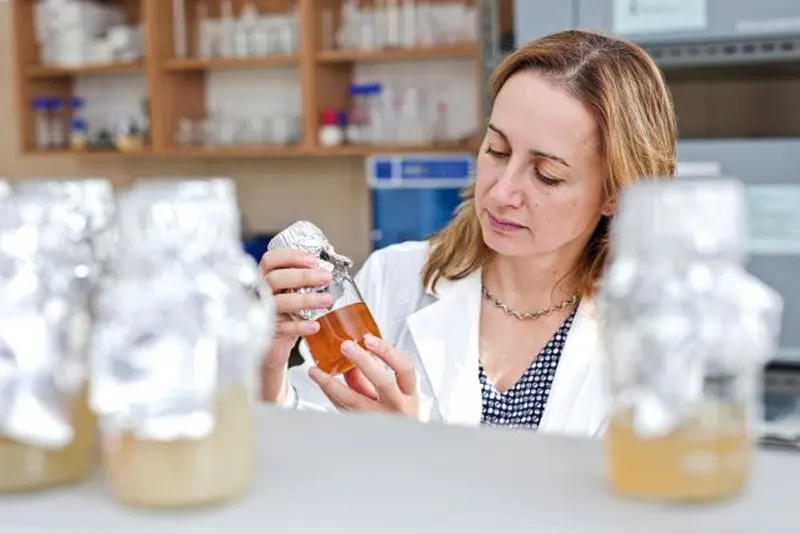
A team led by Professor Aneta Ptaszyńska of Maria Curie-Skłodowska University in Lublin, pictured, was the first to test the lifespan of pesticide-exposed bees after hemp extract.
Ptaszyńska said bees were dying or developing diseases because poor nutrition and pesticides weakened them. She described a digestive disease causing weakness and cachexia, or muscle wasting: bees cannot digest or absorb nutrients and then die.
Recent research linked rapid population decline to neonicotinoids, nicotine-derived pesticides. Although effective against crop pests, they poison beneficial insects, including honeybees. Most government agencies still permit them. In the United States, the Trump administration had allowed expanded use of several pesticides known to be toxic to bees.
The team studied 5,000 caged bees to determine whether hemp extracts protected against pesticide harm. Ptaszyńska told The First News that reports of hemp extract protecting human nerve cells prompted them to test similar effects in bees.
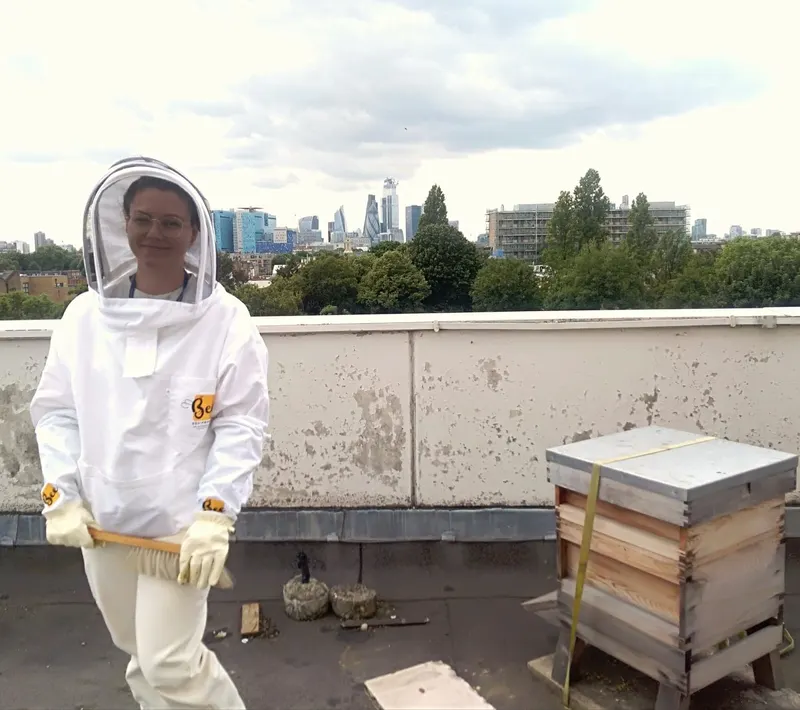
Researchers found certain extracts protected bees against some neonicotinoid effects. Ptaszyńska said hemp extended exposed bees' lives, and tested bees lived relatively long compared with those never exposed to harmful substances.
Further studies were planned in hives elsewhere in Europe. If successful, the team aimed to patent its formulation and make it available to beekeepers worldwide.


