
Cannabis research is broad and varied. From biochemical studies of the plant itself to psychological and chemical research into its pharmacology, and psychological and social research into its effects, cannabis researchers are laying the groundwork for industry innovation and public policy. As access to cannabis becomes easier in many countries, some of the most important research concerns cannabinoids.
Cannabinoids, the chemicals that make up the plant's principal components, are essential to cannabis promotion and its medical value.
Research into cannabinoids was obstructed until recent years by prohibitions and restrictions imposed worldwide under pressure from the United States. Although research has consequently been uneven, interest in the most important cannabinoids, THC and CBD, has never faded. The easing of legal restrictions in recent years has allowed more cannabinoid research.
Why and how do cannabinoids affect our bodies?
Which cannabinoids are the most important?
What is a cannabinoid?
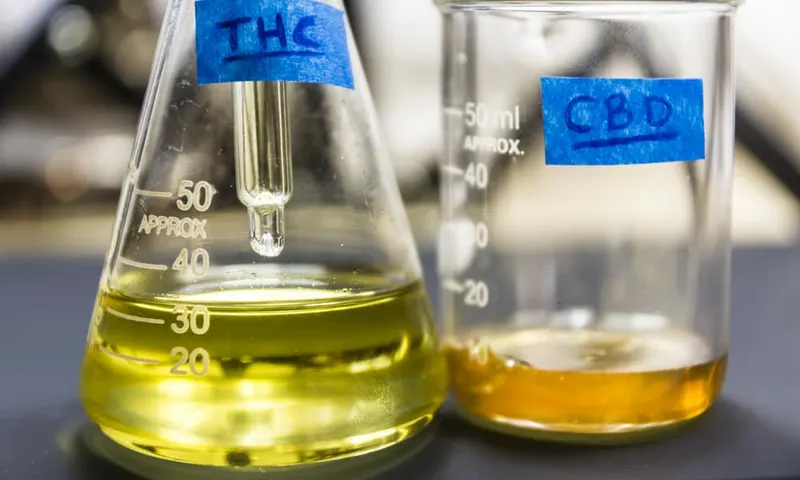
Cannabinoids are named for what they do rather than what they are. These chemical components of the cannabis plant have the unique ability to communicate with nerves in our cells. Working through complex pathways, this communication changes the release of chemicals in our brains. Those changes produce various effects in the body.
More than 100 cannabinoids have been identified. According to recent research, the most important of these compounds, many with their own distinctive properties, are THC, CBD and CBN.
CBD and CBN were among the first cannabinoids discovered in the 1940s. THC was discovered in 1964 by Raphael Mechoulam.
What is the endocannabinoid system?
The endocannabinoid system, or ECS, is the communication network cell receptors use when interacting with cannabinoids. Without it, cannabinoids could have no effect on our bodies and cannabis would be no more than a useless plant.
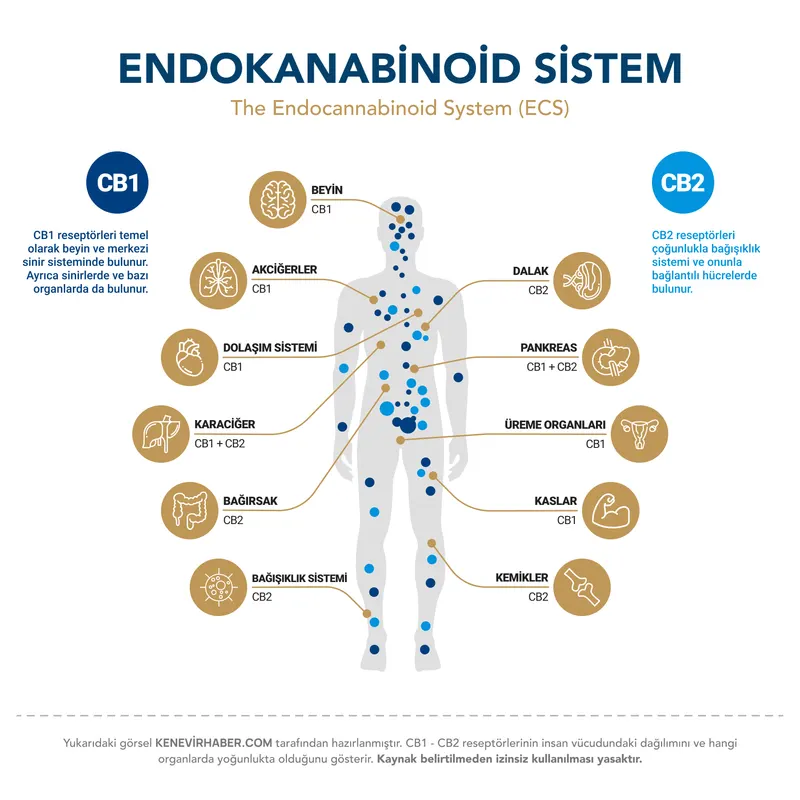
However, it would be a mistake to think the ECS exists only for cannabinoids in cannabis. The human body actually produces its own cannabinoids.
Today we know less about the cannabinoids our bodies produce than about those in the cannabis plant. This is because cannabinoids in the human body were not discovered until 1988. Until then, scientists believed an ordinary interaction between cells and plant cannabinoids produced physical and psychological effects. Recent research has shown us that a highly specific chemical mechanism is responsible.
Even 20 years after this development, we still know very little about how our bodies make cannabinoids. We only know what some of them are.
Cannabinoid receptors explained
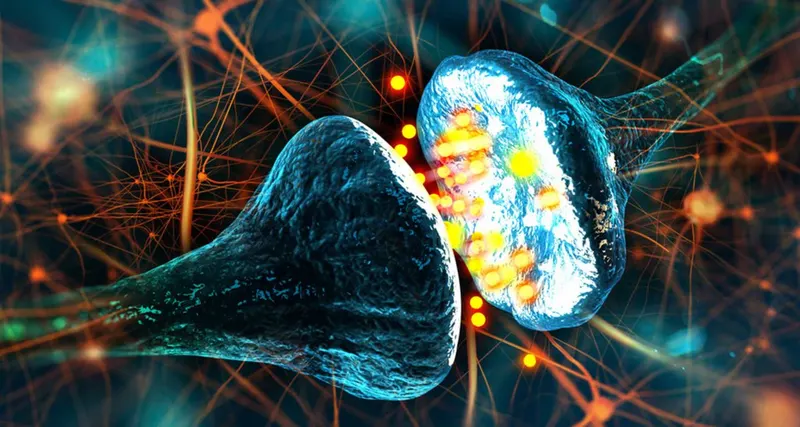
As mentioned earlier, the communication receptors involved in the ECS are distributed throughout the body. There are two classes of receptors, found in particular areas. One class is CB1 receptors, located mainly in the brain. They are also found in the eyes, retina, and male and female reproductive systems.
The second class is CB2 receptors, found mostly in our immune system. Recent animal studies suggest that these receptors have an anti-inflammatory role. This indicates that CBD is a very important cannabinoid with potential medical applications. Although only two receptors have been discovered so far, there may be more.
Phytocannabinoids: the most important cannabinoids in the cannabis plant
As noted earlier, the cannabis plant produces its own cannabinoids. These natural chemicals are called phytocannabinoids. Although they have structural similarities to endocannabinoids and can bind CB1 and CB2 receptors through the endocannabinoid system, they are not identical and can produce different effects, such as psychoactivity and pain relief.
The cannabinoids produced by cannabis take the form of a thick, sticky, concentrated resin. The resin itself is produced by a gland-like structure called a trichome, referred to here as a terpene. These structures appear around the plant's buds. They resemble tiny crystal mushrooms and are very delicate. Their size and density on the cannabis flower indicate the concentration of cannabinoids: more of these structures means more cannabinoid-rich resin.
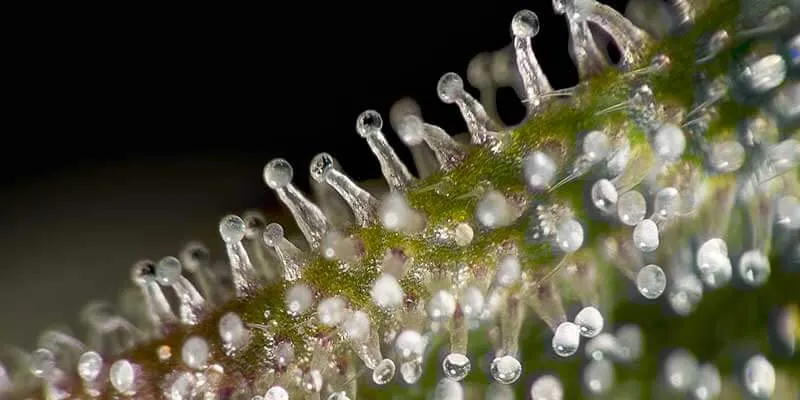
Cannabinoids can be concentrated in other leafy parts of the plant as well, but their highest concentrations occur in the buds of female cannabis plants.
Our guide to the most important cannabis cannabinoids begins with the most studied and prominent compounds, such as CBD and THC, before exploring the distinctive properties and possible future appeal of lesser-known cannabinoids.
THC (tetrahydrocannabinol) / 315°F
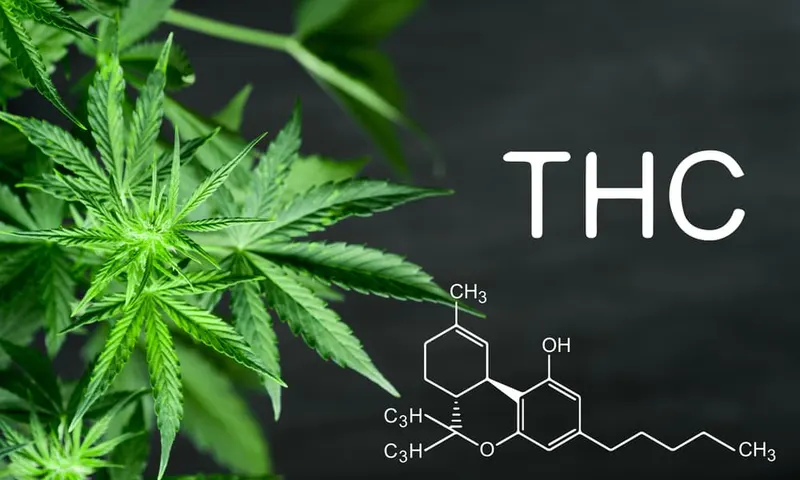
If you know the name of one cannabinoid, it is probably THC. THC is one of the few psychoactive cannabinoids. Psychoactivity means a cannabinoid can create an unusual sensation. THC is the sole and most powerful psychoactive cannabinoid in dried cannabis flower. This is why high-THC varieties are the most common among recreational cannabis users.
THC produces its psychoactive effects by interacting with CB1 receptors in the brain. This interaction increases dopamine release and produces various psychological effects enjoyed by cannabis users. Changes in memory, movement, mood, perception and cognition all result from THC's interaction with CB1 receptors. These psychological effects are used therapeutically as well as recreationally. Whether for recreation or treatment, THC is currently the most powerful cannabinoid in the cannabis market.
CBD (cannabidiol) / 356°F
When it comes to medical applications of cannabis, no cannabinoid is more important than CBD. One of the first to be discovered, it remains one of the most studied substances in the plant. Crucially, CBD is not psychoactive. This means it has none of THC's effects. CBD goes a step further, however: while it is not psychoactive, it reduces THC's cognitive effects.
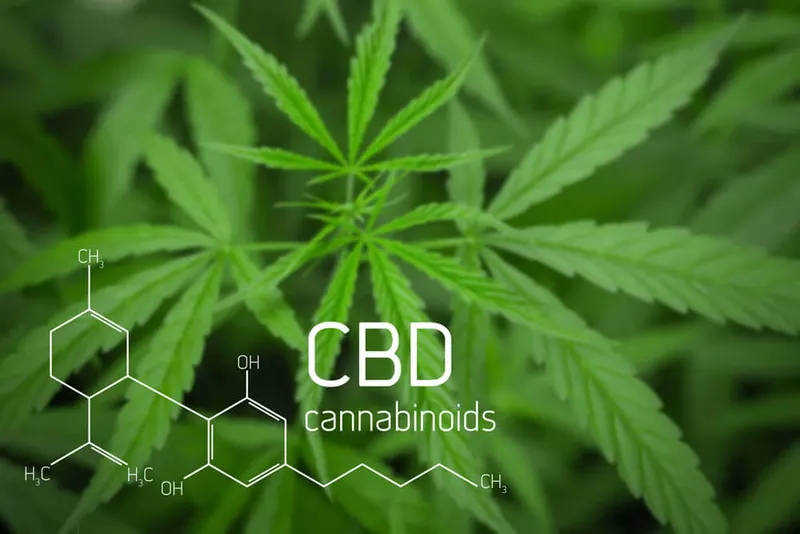
CBD's lack of psychoactivity is very important. Above all, it is one of the main reasons cannabis is moving out of the narcotics category and into healthcare. Many medical cannabis patients do not want THC's effects and seek only the medical and therapeutic benefits of CBD-containing substances.
With this knowledge, growers have begun producing CBD-dominant cannabis. These varieties, also known as CBD-dominant or 1:1 THC-CBD, are very popular among medical patients.
CBG (cannabigerol)
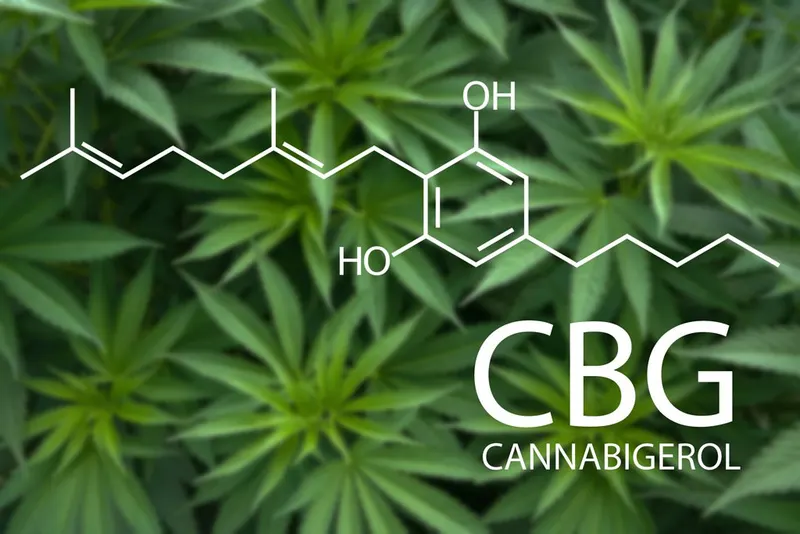
Mature cannabis plants contain only 1% CBG or less. This is not because cannabis produces little CBG. On the contrary, it produces plenty, but that CBG is converted into other cannabinoids. CBG is therefore called the “mother cannabinoid” or “stem cell.”
CBG converts into various cannabinoids, most often THC or CBD. This is what makes it important. Asking which factors determine the pathway CBG takes has helped plant scientists understand cannabinoid production directly, and therefore which cannabis varieties are high in CBD or THC. CBG itself is non-psychoactive.
Interestingly, CBG has also appeared in a considerable number of medical applications. Research has found CBG to treat cancer, pain, inflammation, bladder disorders, glaucoma and anxiety disorders.
CBN (cannabinol) / 365°F
CBN has a distinctive feature among cannabinoids: it cannot be produced by CBG, the so-called stem cell. Instead, CBN emerges through the natural breakdown of THC. Oxidation causes THC exposed to light and air to break down. In other words, dried cannabis flower continually loses THC as it turns into CBN. Proper storage is therefore very important for preserving the flower and its potency. Since CBN is not effectively psychoactive, its presence means reduced potency. Fresh plants and dried cannabis flowers consequently contain trace amounts of CBN. Besides indicating degraded cannabis, CBN has medical importance. In addition to its sedative properties, it acts as an antibiotic and pain reliever.
CBC (cannabichromene) / 428°F
Like CBD, CBC is a non-psychoactive cannabinoid. Unlike CBD, however, it does not counteract THC's psychoactive effects. Moreover, THC increases CBC's anti-inflammatory effects. The interaction between these two cannabinoids illustrates what scientists call the entourage effect. This is why some cannabis enthusiasts advocate a “whole plant” approach. Supporters argue that isolated extracts and preparations designed to separate a single cannabinoid disrupt this important relationship.
CBC's receptor interactions also extend beyond the ECS. Researchers believe these interactions may explain its healing properties. In the consumer market, CBC's anti-inflammatory, antifungal and antibiotic effects account for its popularity.
THCV (tetrahydrocannabivarin) / 428°F
THCV belongs to a group of psychoactive compounds related to THC, as a homolog of the main component. Its name might suggest that THCV has psychoactive powers like THC. The answer is both yes and no, which is central to the debate about its properties. Some studies say this cannabinoid interacts with CB1 receptors as a competitor to THC, reducing THC's psychoactive effects. Others suggest THCV is a potent psychoactive cannabinoid in its own right, even claiming it is stronger than THC. It is thus thought to produce a brief but powerful psychoactive effect. Other researchers combine these models, describing THCV as a bridge between CBD and THC. While it initially acts like THC with proportionate potency, THCV can, like CBD, reduce the effects of an overly powerful high. At higher doses, however, THCV can become a psychoactive stimulant.
Δ-8-THC (delta-8-tetrahydrocannabinol) / 347°F
A newcomer to recreational use, though hardly a secret among users, delta-8-THC is a psychoactive cannabinoid with therapeutic benefits that distinguish it from delta-9-THC.
As mentioned above, delta-8-THC is an isomer of the more common delta-9-THC. It is less psychoactively potent but has therapeutic benefits. Indeed, weaker psychoactivity can itself be a therapeutic benefit for patients who do not want such an effect.
Current research shows a strong correlation between delta-8-THC and cancer cell death, as well as reduced tumor size. Research in Jerusalem reported success toward treating cancer in 480 cases. The cannabinoid is also a powerful antiemetic, a medicine that prevents or stops vomiting, usable against nausea and vomiting. This also makes it an important potential treatment for loss of appetite, one of cancer treatment's adverse effects.
CBDV (cannabidivarin) / 356°F
Because this cannabinoid is not psychoactive, it faces no legal restriction. Consequently, major pharmaceutical companies are actively researching its use in treating adult and childhood epilepsy.
This means the cannabinoid may help reduce seizure severity in people with epilepsy. CBDV also shows promise as an anti-nausea medicine. Nevertheless, extracting pharmacologically large quantities is difficult. The highest CBDV levels occur in plants growing wild in the Himalayas.
THCA (tetrahydrocannabinolic acid) and CBDA (cannabidiolic acid) / THCA 220°F, CBDA 248°F
The “A” suffix indicates a naturally occurring acidic form of these phytocannabinoids. For the human body to metabolize cannabinoids, they must be able to enter the bloodstream and attach to cell receptors.
The acidic forms contain a distinctive carboxyl group. Heating these acidic cannabinoids removes the carboxyl group, converting them into a form the human body can use. This process is called “decarboxylation.”
You may have heard the term in articles or discussions about preparing cannabis edibles. For cannabinoids to become chemically active in the body, raw cannabis must first be activated, or “decarbed.”
Many major cannabinoids have acidic versions. All are converted by heat into pharmacologically relevant forms. Note the low temperatures that mark their conversion points.
Meanwhile, recent studies have begun investigating the effects of these raw cannabinoid forms themselves. The findings indicate that further research is needed. THCA has been shown to be a good antiemetic and anti-inflammatory compound in its own right. CBDA has demonstrated potential as a possible cancer treatment.
(Adapted from Adam Drury's article dated April 6, 2018.)
We have examined the most important properties of cannabinoids in the cannabis plant, from what they are to what they do and why they do it. We hope this exploration of the cannabinoid world has been useful and helped you build a better understanding of cannabis.


